


Shop correct-thread hardware for classic Triumph Bonneville, Tiger, Trophy, Daytona and TR-series twins. You’ll find individual nuts, bolts and studs, plus complete engine bolt kits, head bolt kits, cover screw sets, and copper and fiber washer kits.
Triumph used several thread standards, and they changed over the years. Before you order, check your model, year and engine type (pre-unit, unit or oil-in-frame), and confirm the thread: CEI, BSF, UNF or UNC. The guide below explains how.
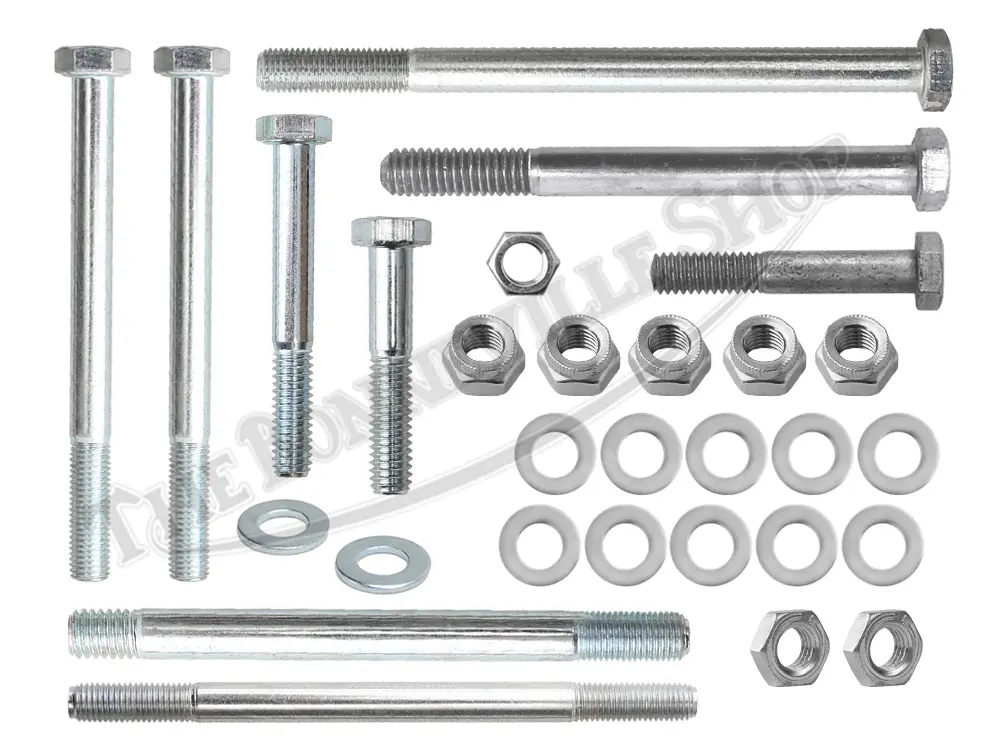
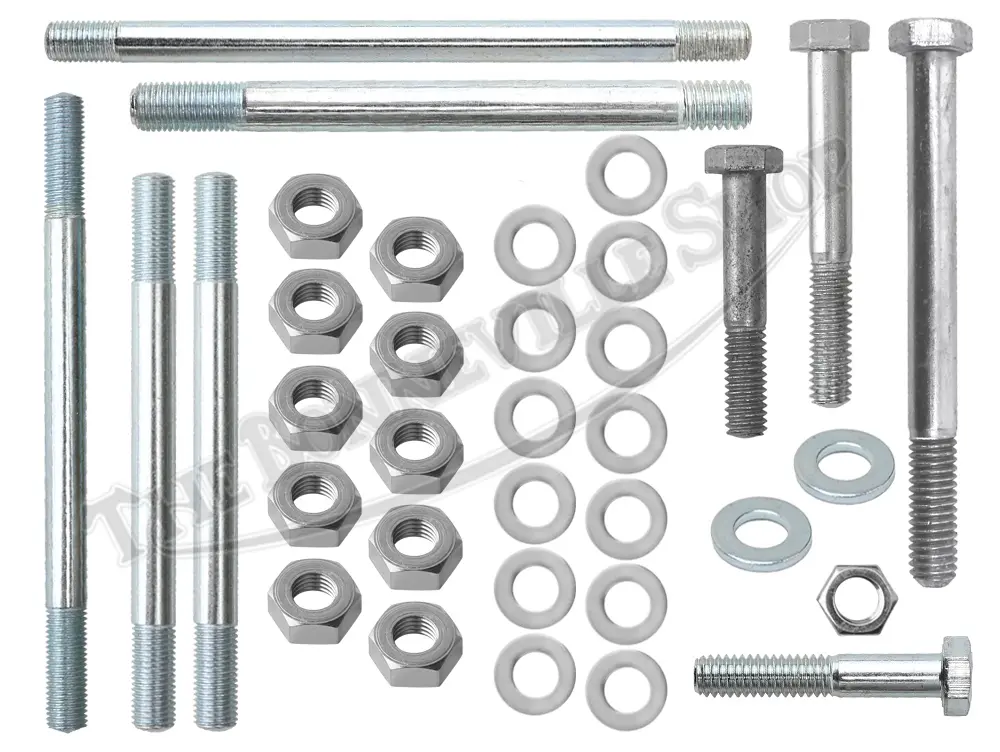
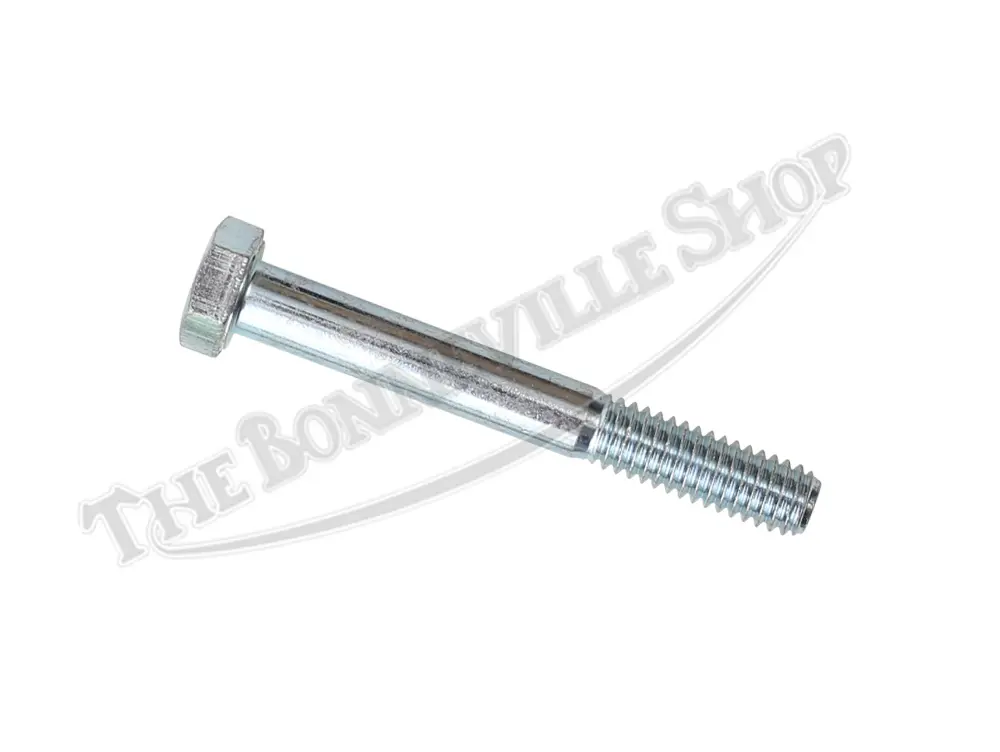
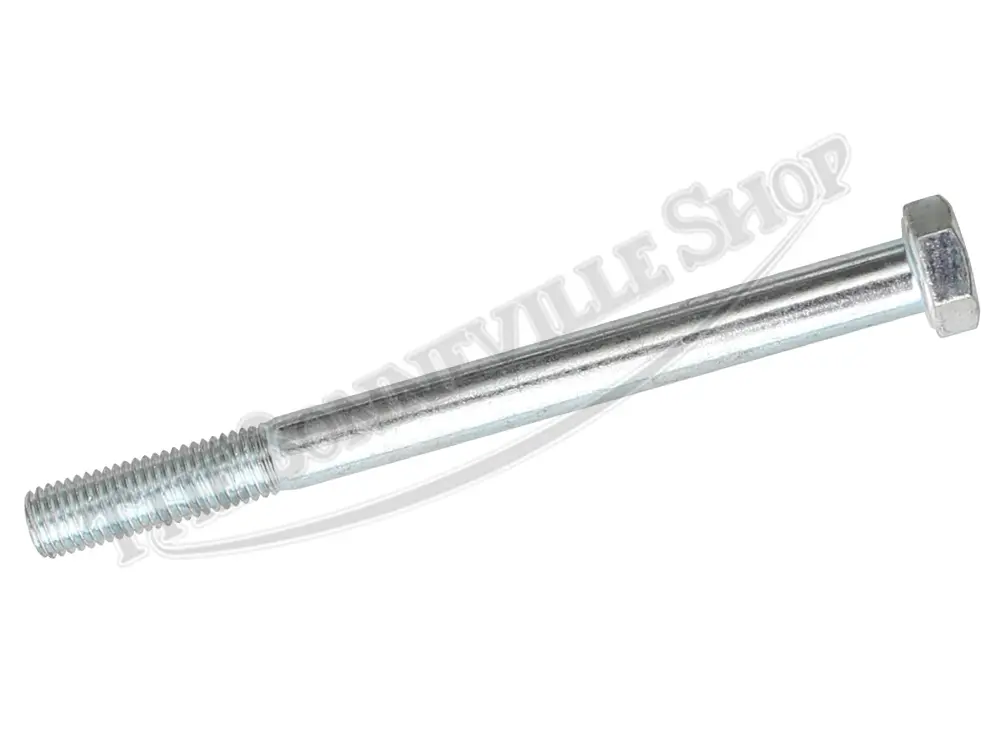
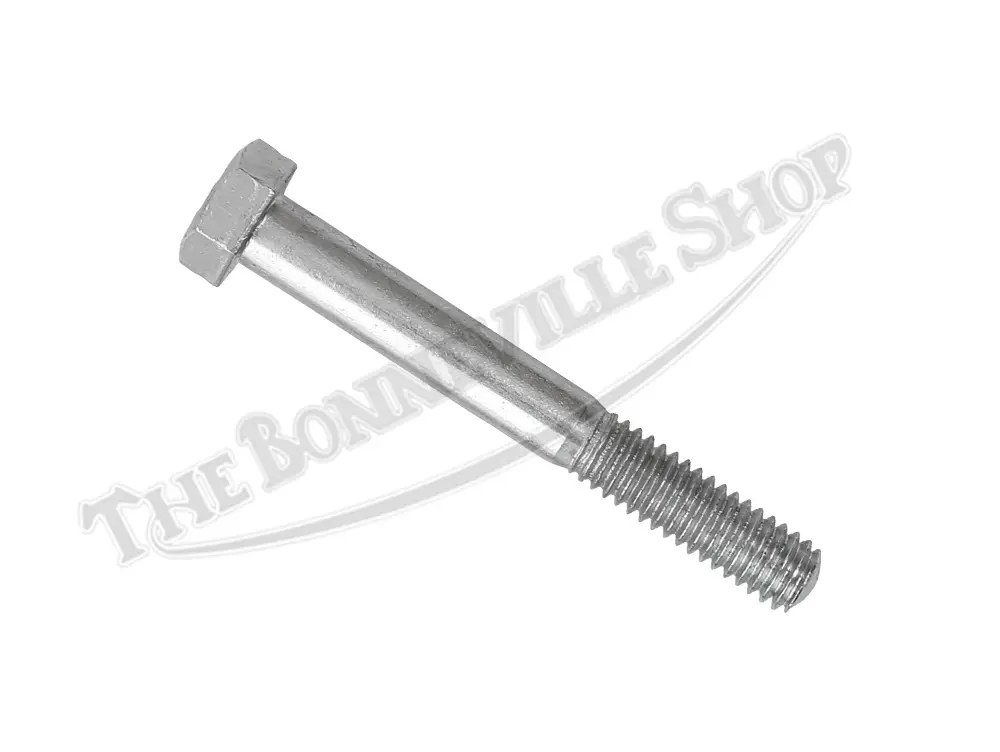
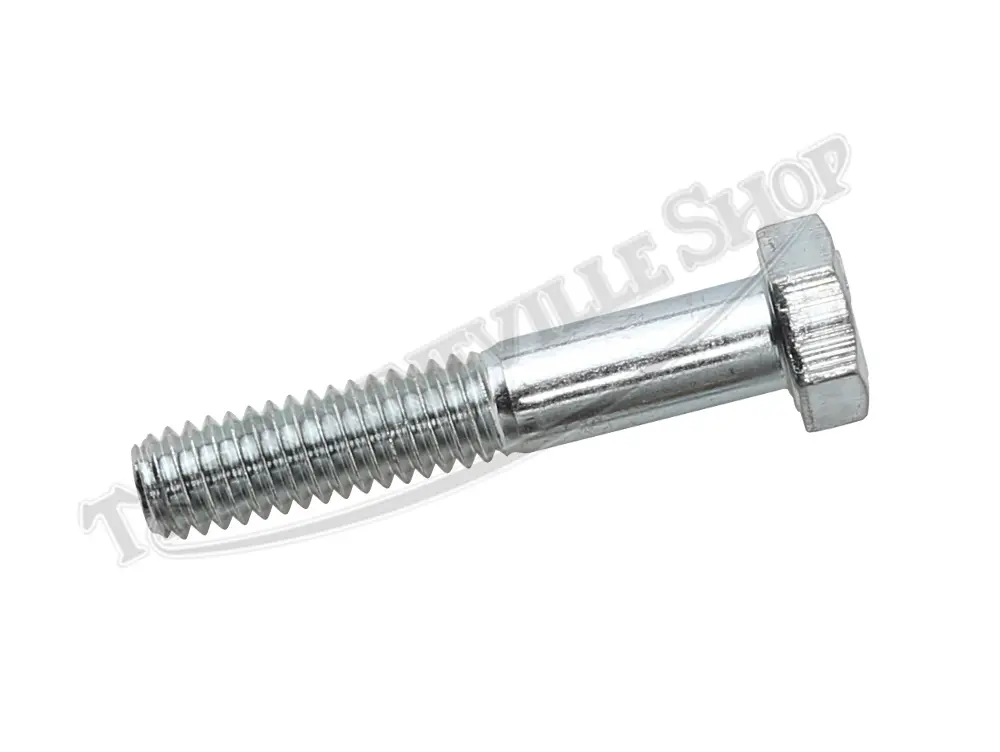
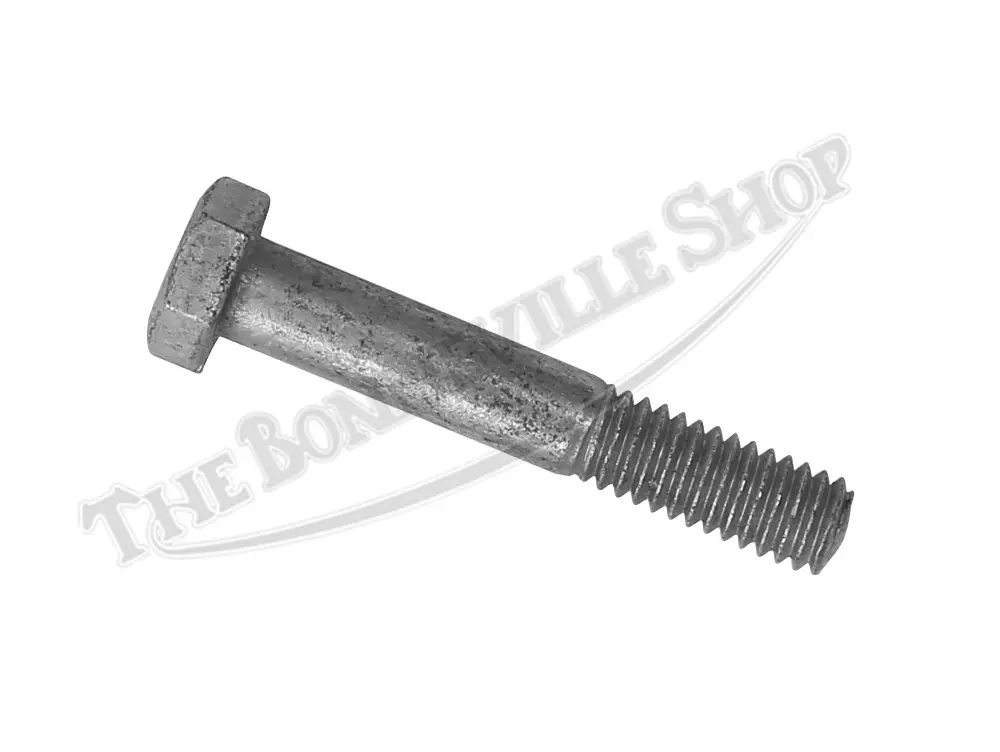
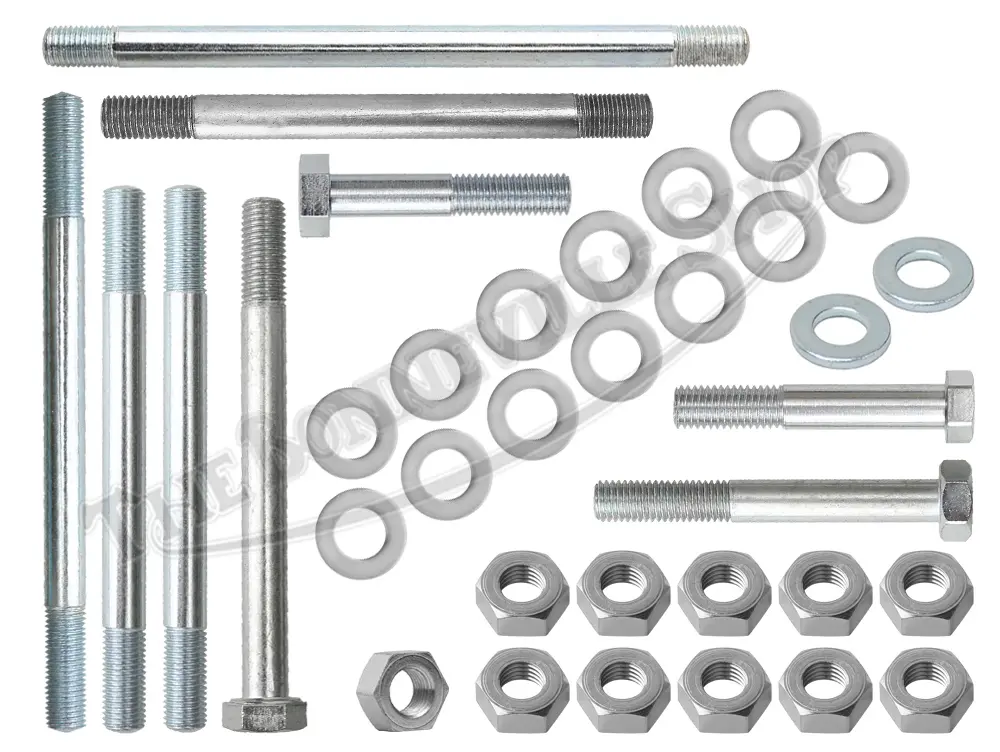
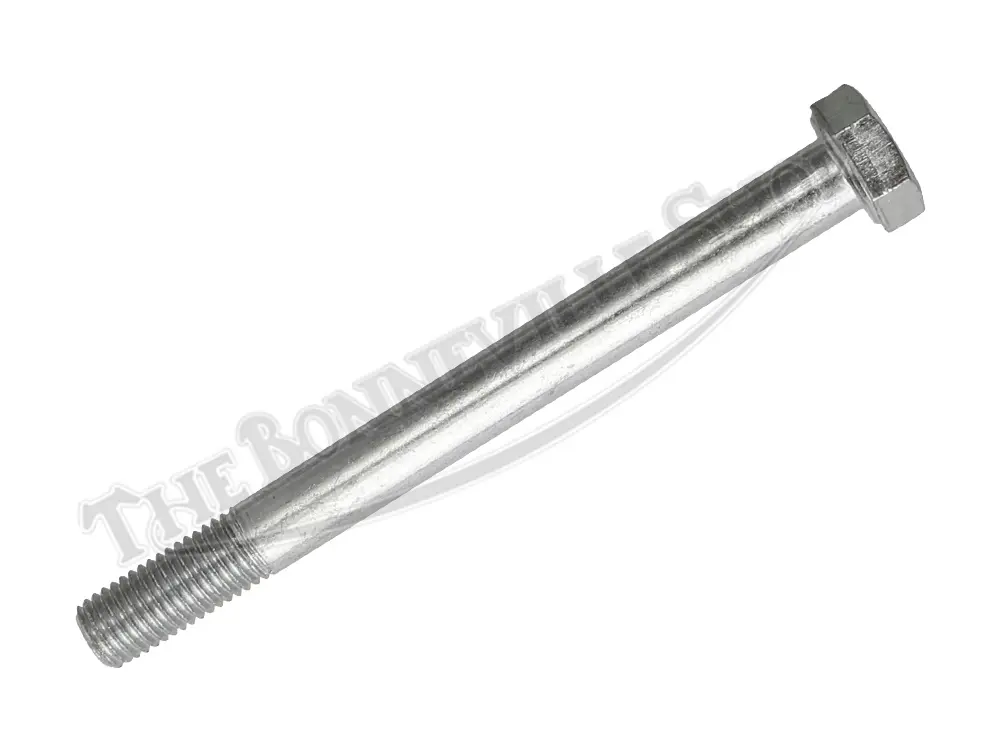
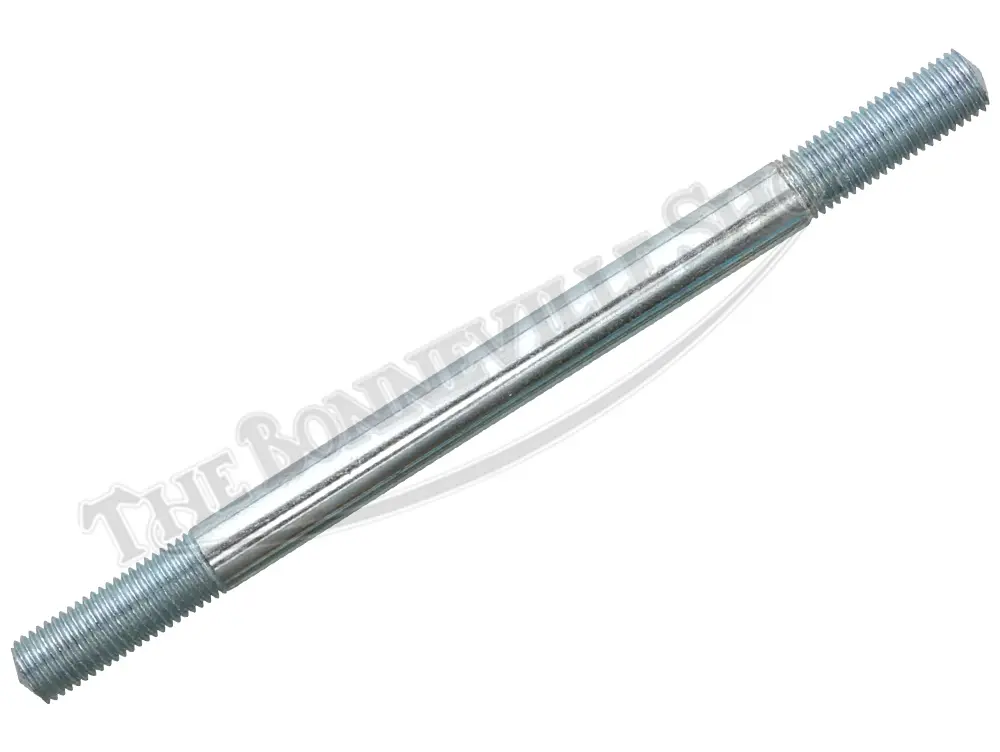
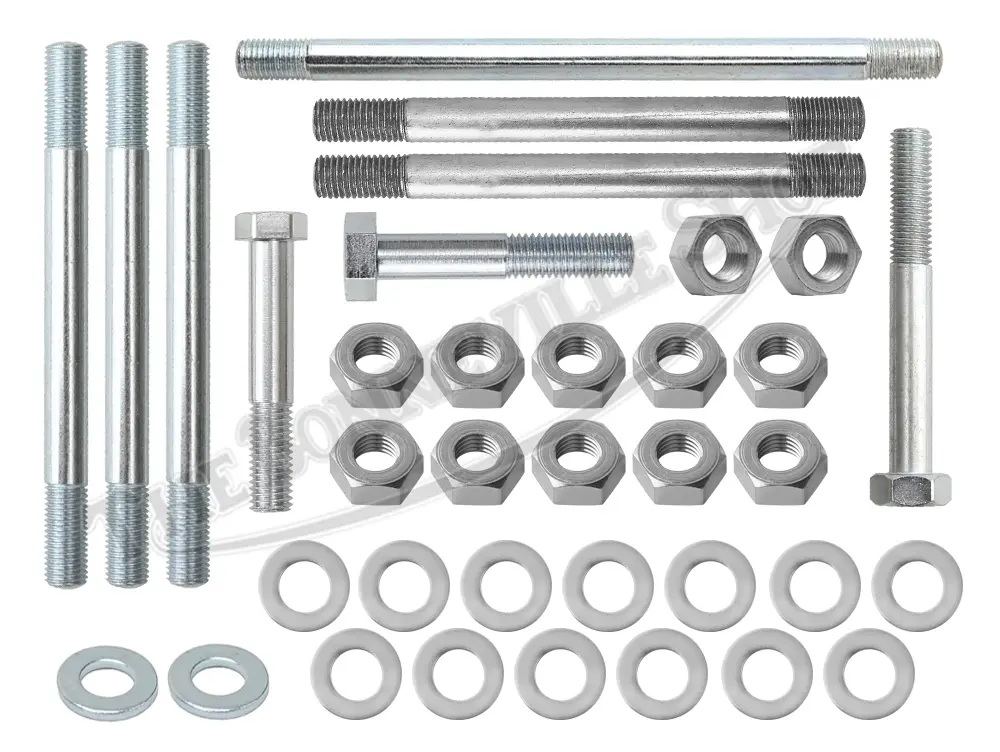
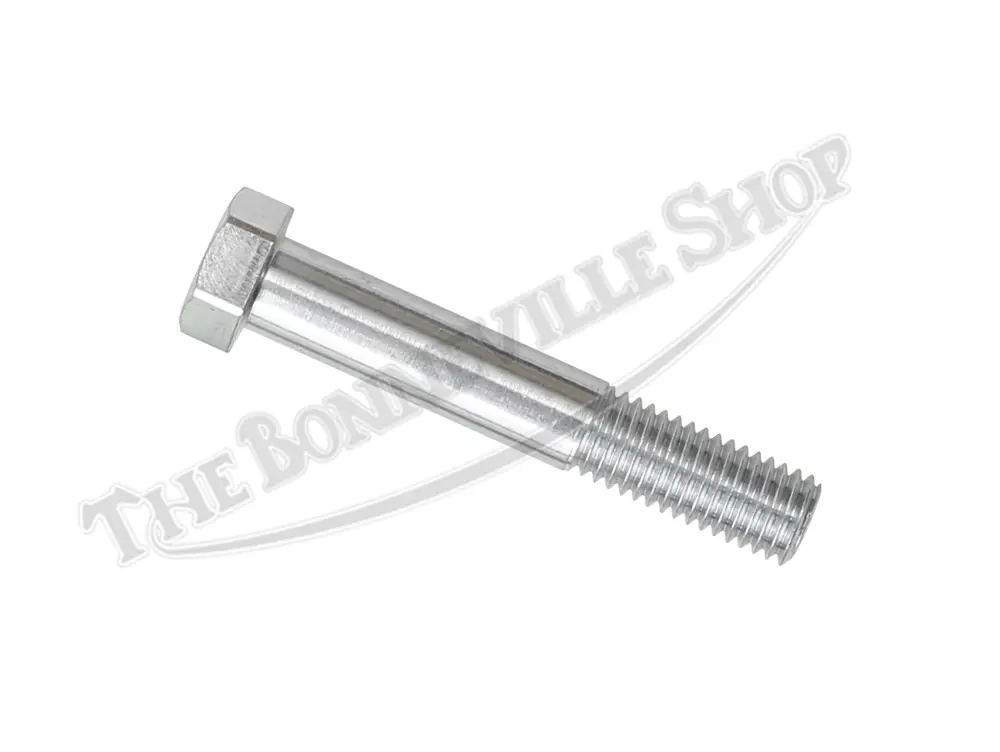
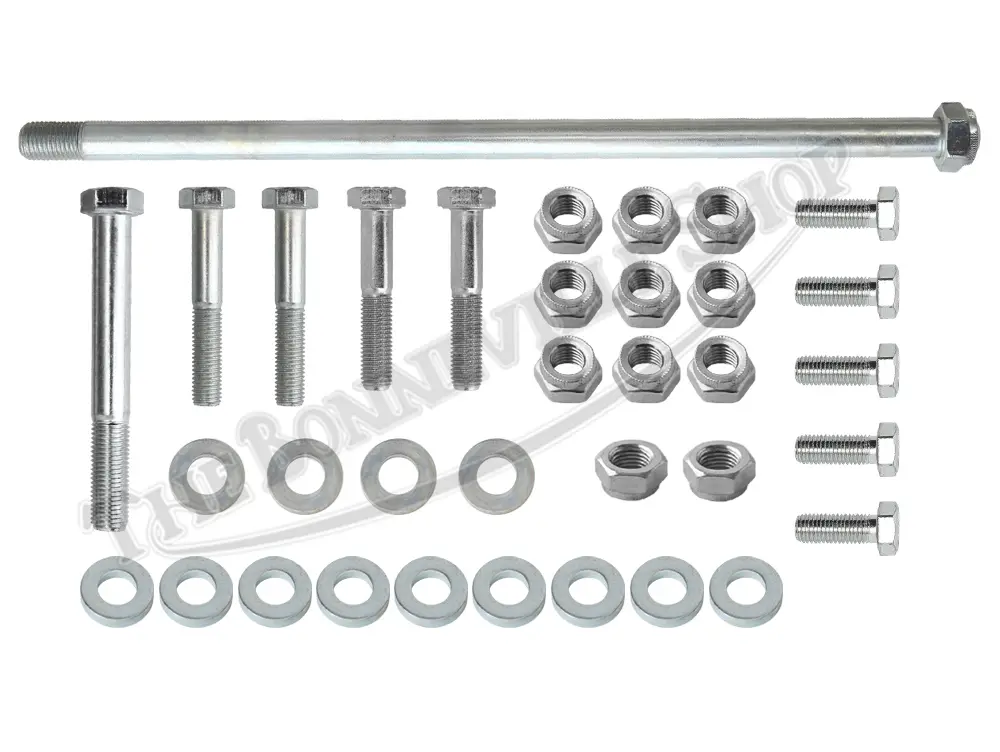
Triumph Engine/Frame Mount Flat Washer(s) PN# 60-2332
$5.73 – $8.29Price range: $5.73 through $8.29
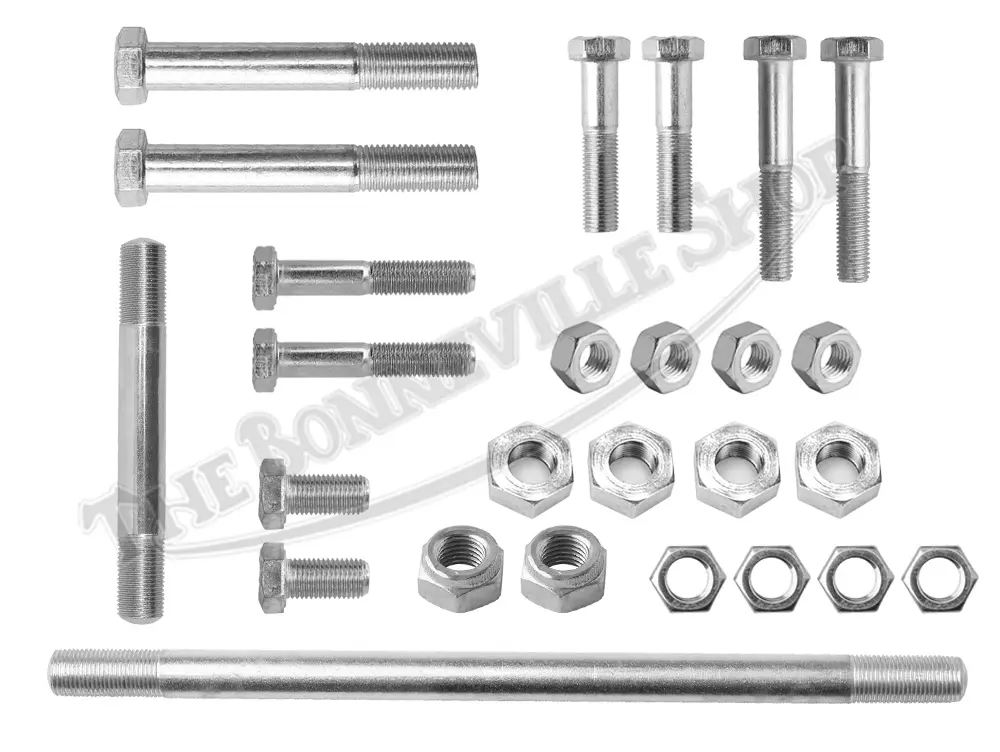
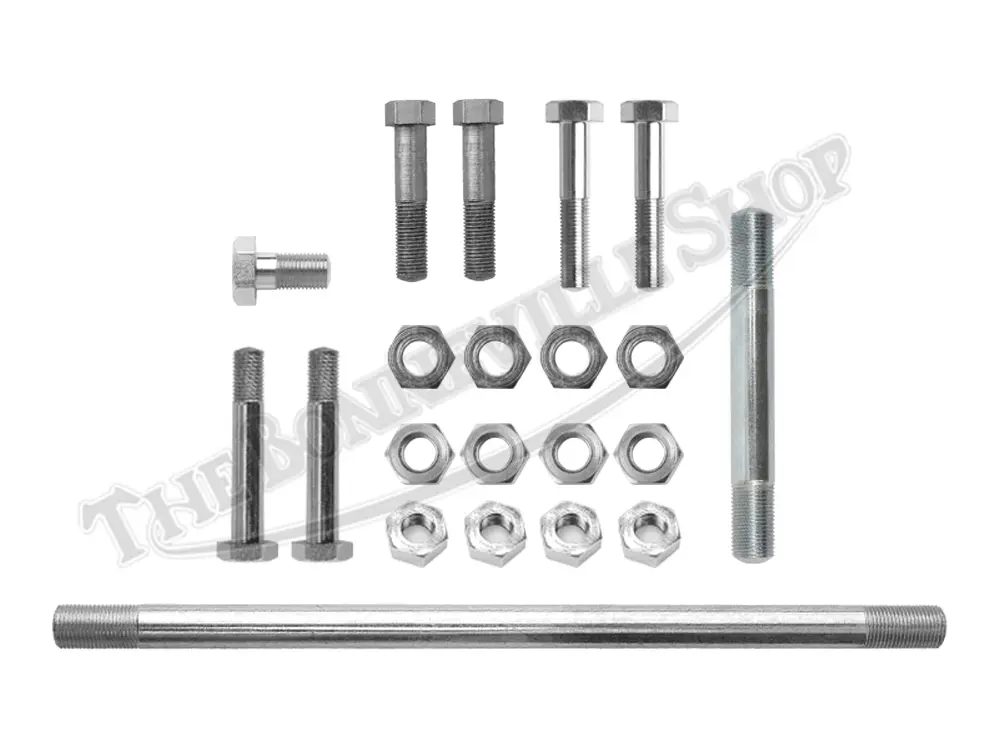

Triumph Carb Manifold Small Hex Nut(s) 5/16″ X 26 CEI PN# 70-1310 E1310
$8.18 – $16.55Price range: $8.18 through $16.55

Triumph Fender Bracket Washer(s) 5/16 inch x 15/16 inch PN# 82-6310
$5.82 – $9.17Price range: $5.82 through $9.17

Triumph BSA Norton 1/4″-28 TPI UNF Cleveloc Nut(s) PN# 14-1201
$6.65 – $9.89Price range: $6.65 through $9.89
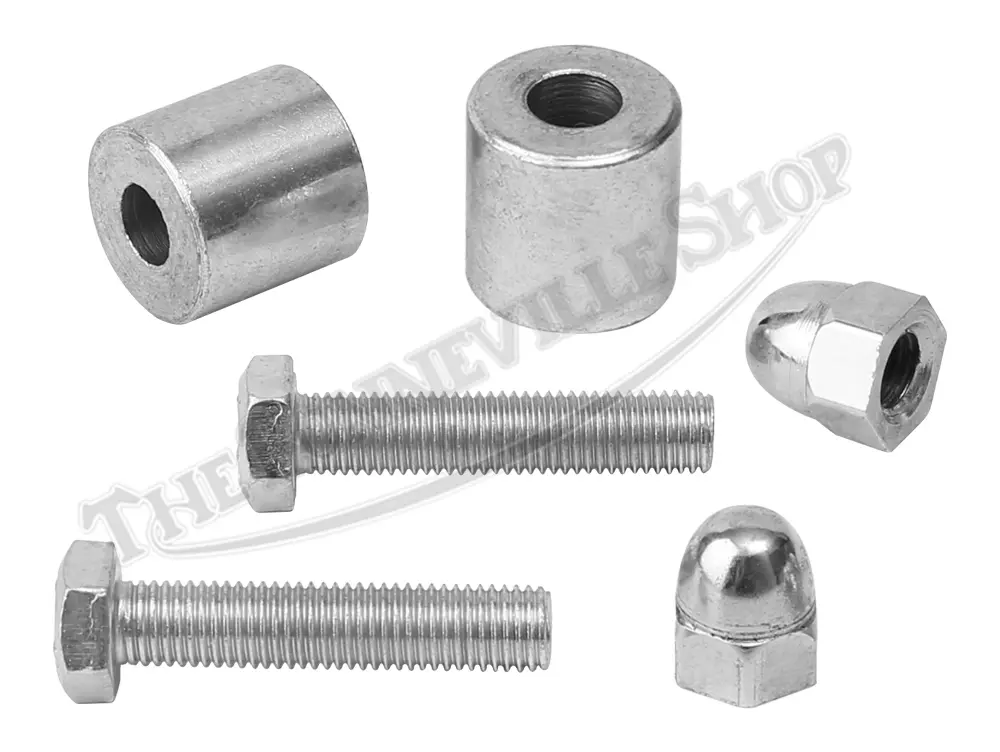
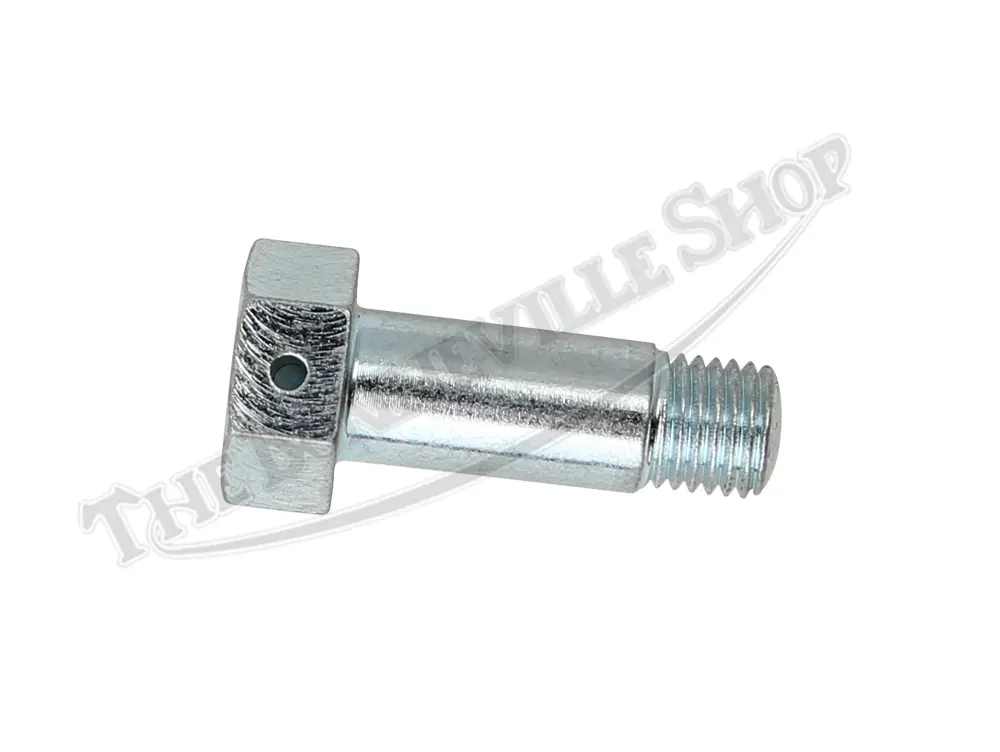

Triumph 650 1960-65 and 1969-70 Flywheel Bolt (1) PN# 70-3907
$19.40 – $46.89Price range: $19.40 through $46.89

Triumph Exhaust Clamp Panhead Screw(s) 10-32 TPI PN# 21-2230
$6.95 – $12.39Price range: $6.95 through $12.39
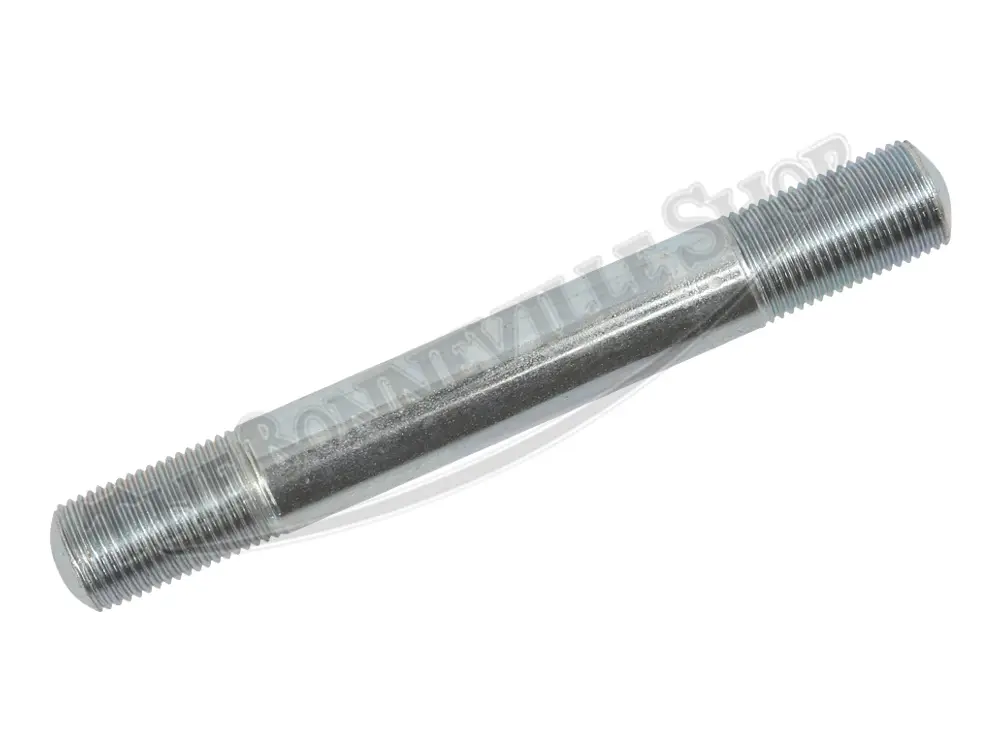


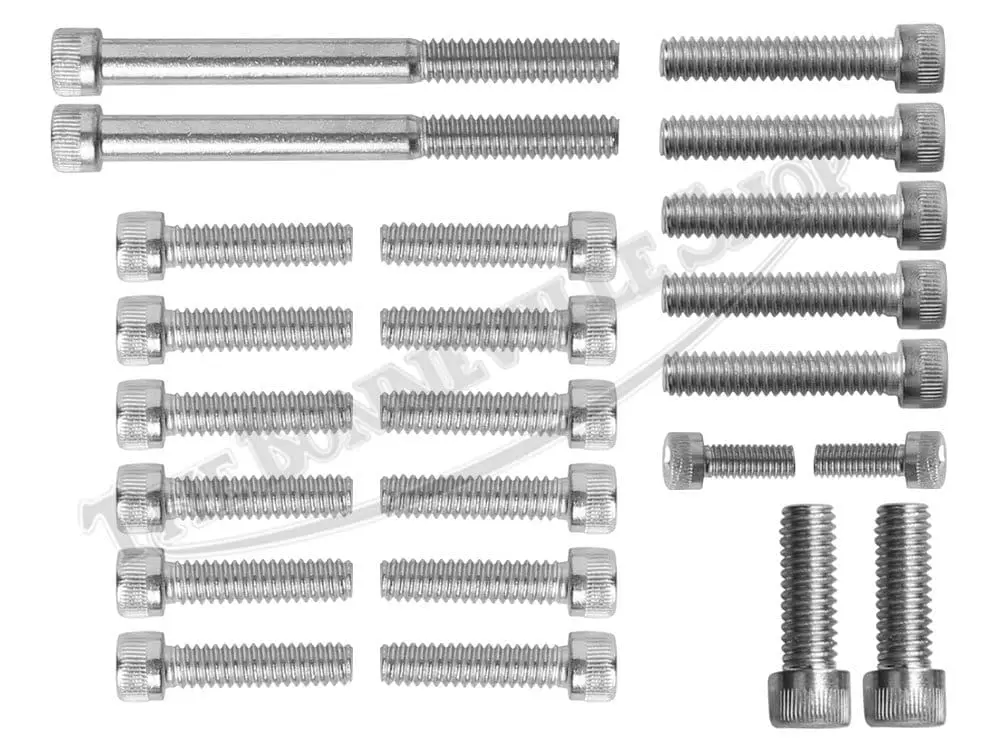
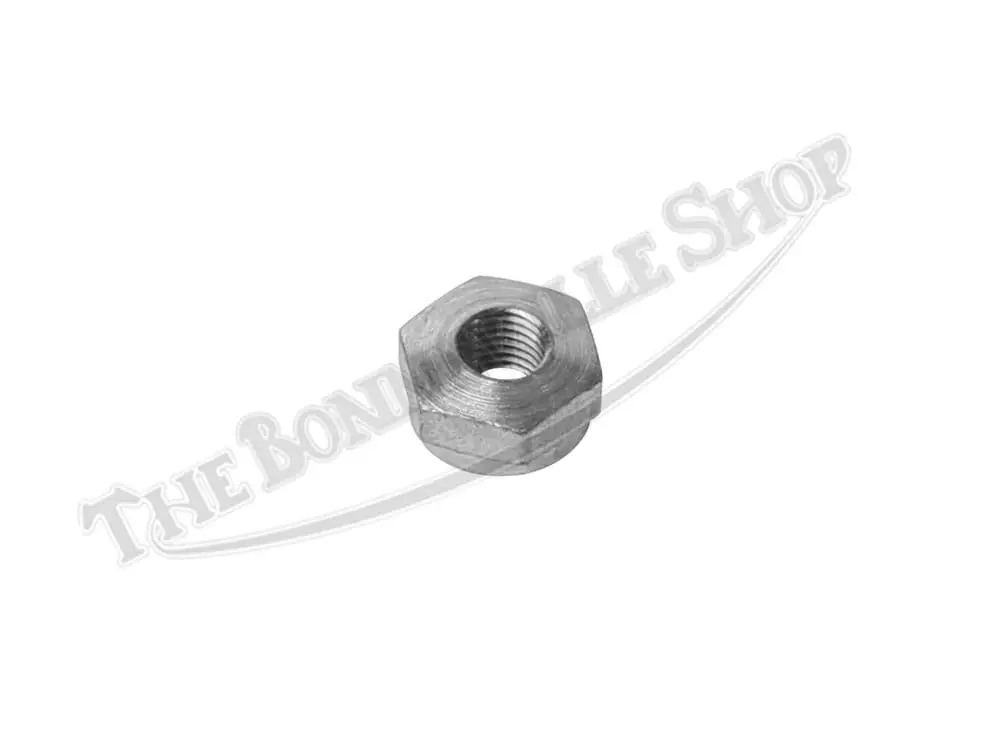
Triumph 350 500 650 Front Fender Spigot Nut(s) 5/16-inch X 26TPI CEI PN# NS362 99-3541
$8.15 – $12.06Price range: $8.15 through $12.06
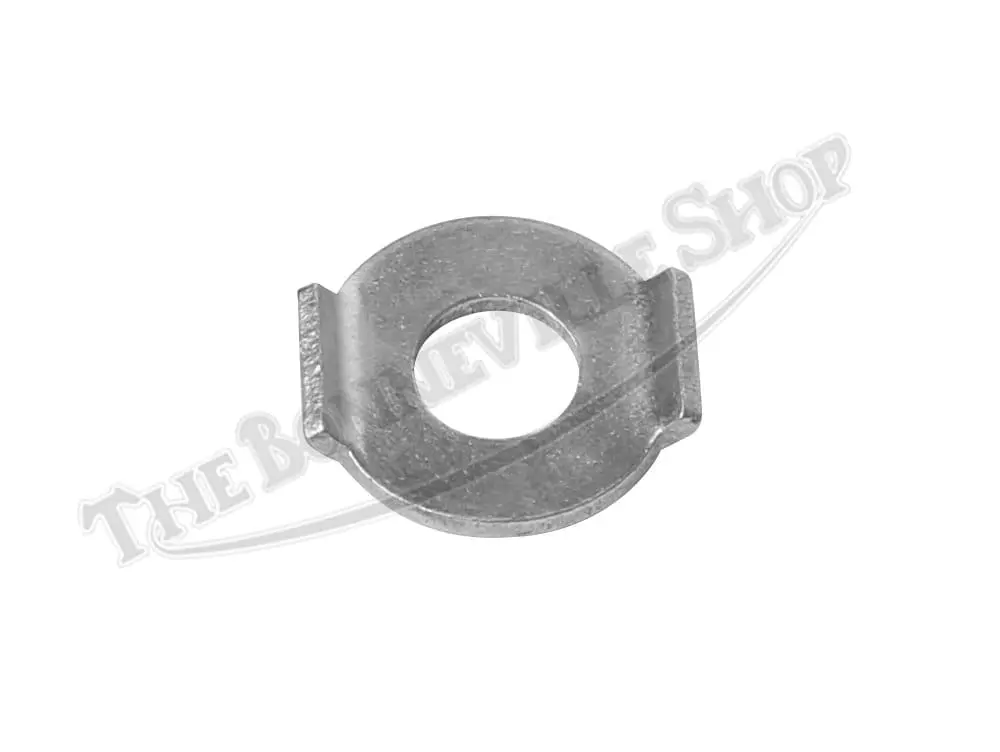
Triumph BSA Wire Stay Bracket Headlamp Clamping Washer 1971-1972 OIF PN# 83-2210 83-2216
$8.55 – $12.18Price range: $8.55 through $12.18
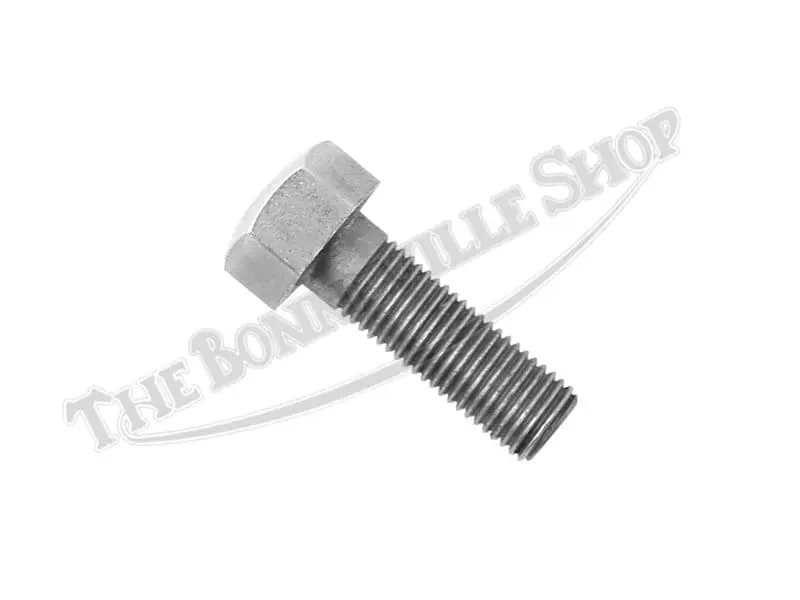
Triumph BSA 500 650 Bonneville Zinc 5/16-inch Headlamp Bolt(s) CEI PN# 11-2201 CL 112201 CL 99-1004 CEI
$10.01 – $14.81Price range: $10.01 through $14.81

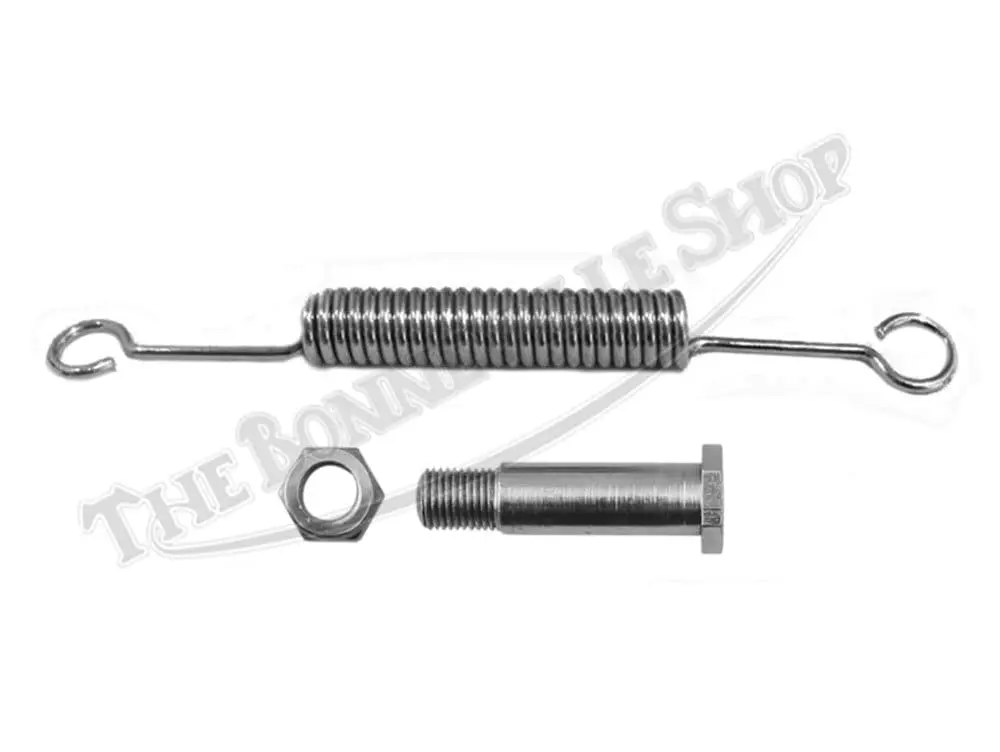
Triumph 500 650 750 Twins and Triple Side Stand Pivot Bolt(s) and Lock Nut(s) from 1967 on PN# 82-7021 14-1303
$18.75 – $31.12Price range: $18.75 through $31.12
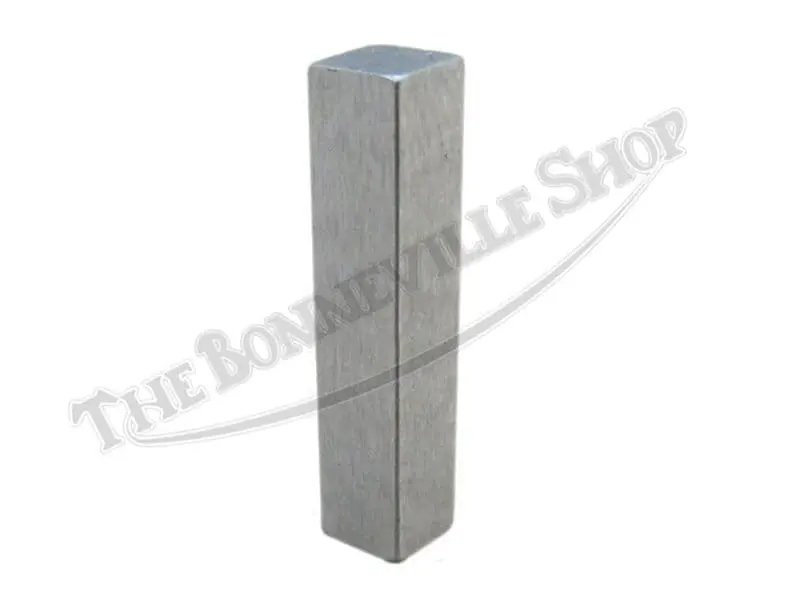
Triumph 650 750 Bonneville Tiger Trophy Alternator Rotor/Crank Woodruff Key(s) PN# 71-0082 70-3974 E10082 E3974
$9.14 – $13.24Price range: $9.14 through $13.24


Triumph 500 650 750 Headbolt Sidestand etc. 3/8 inch Thick Washer(s) PN# 82-2184 F2184
$6.52 – $11.21Price range: $6.52 through $11.21

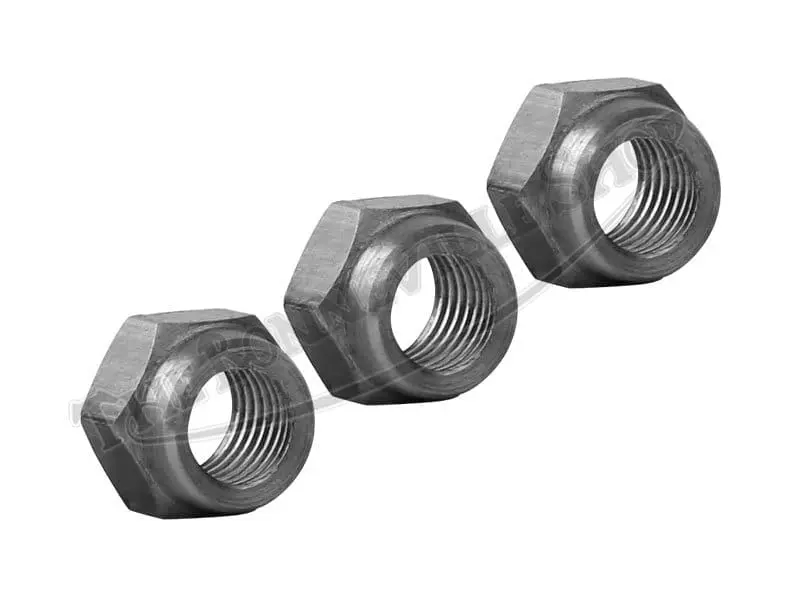


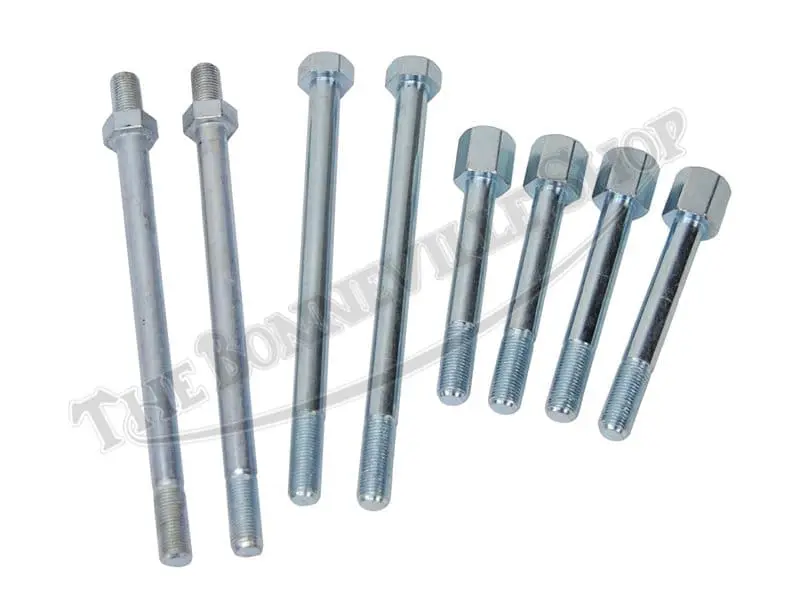

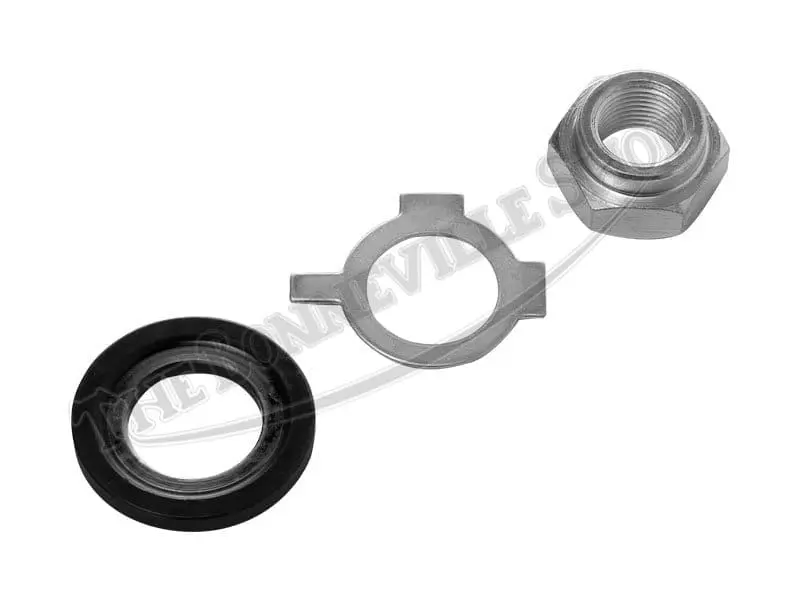
Triumph 500 650 750 Brake Drum to Rear Hub Locking Nut (1) ’66-69 PN# 37-1691 W1691
$10.60 – $51.08Price range: $10.60 through $51.08

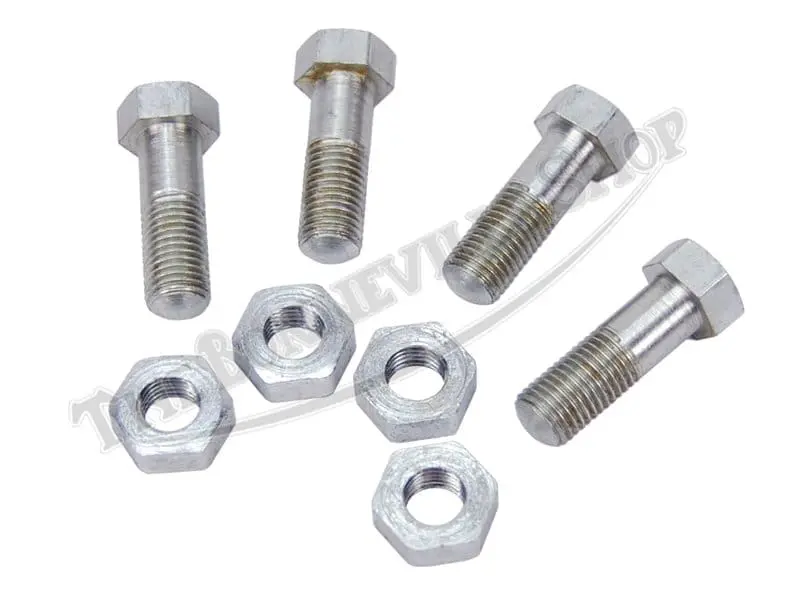
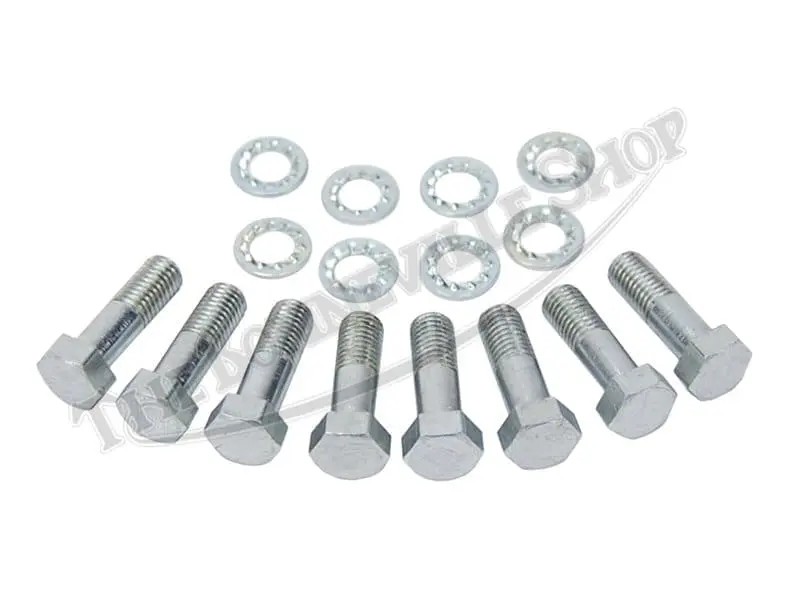
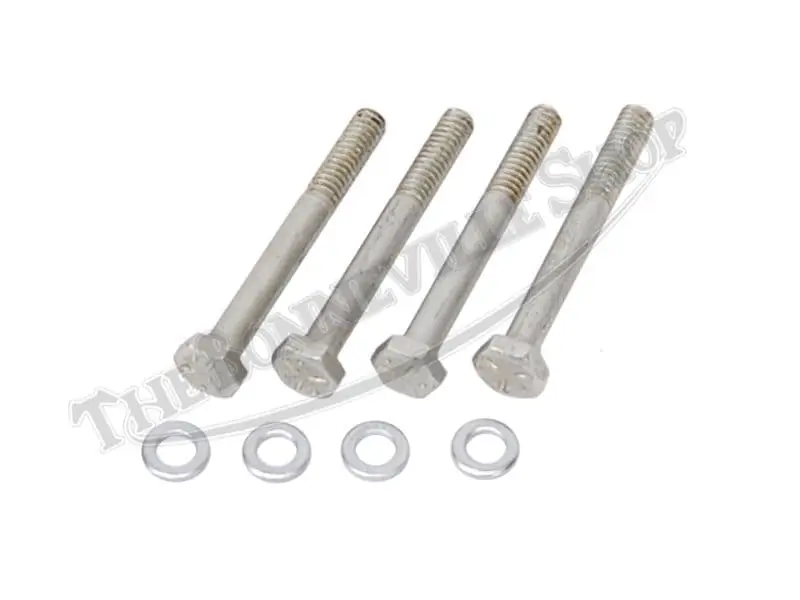
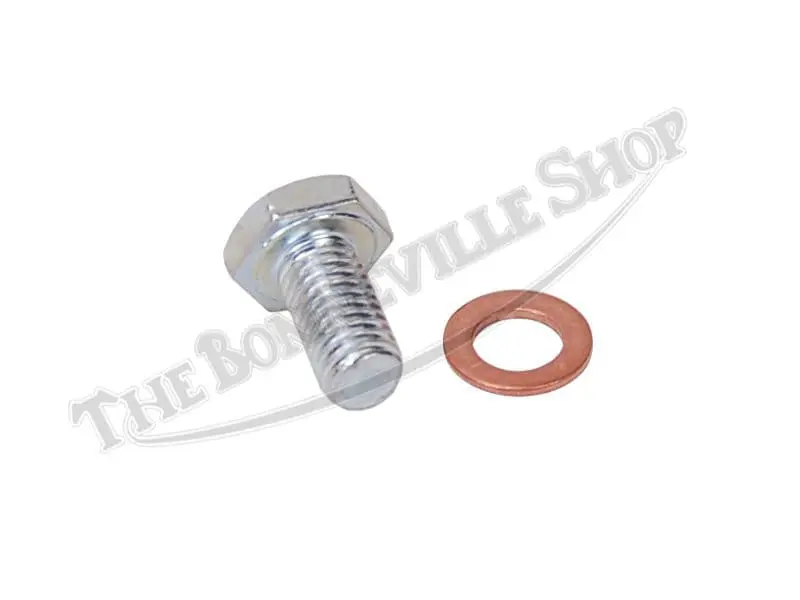

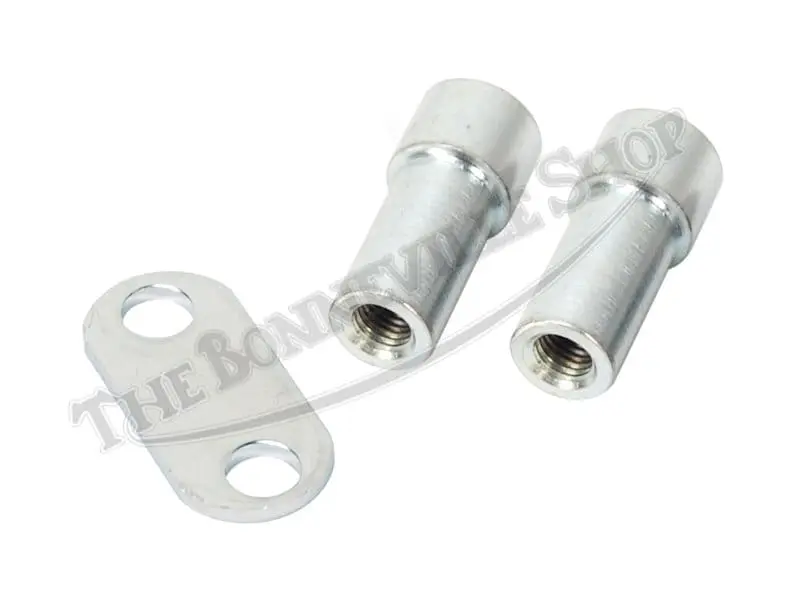
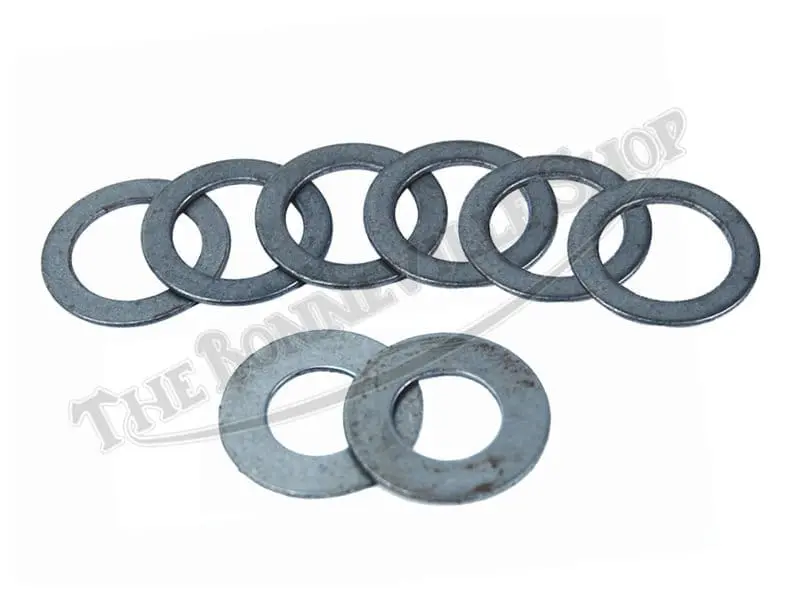

Triumph Norton BSA Lucas Pre-Unit 5/16-inch CEI Domed Headlight Bolt(s) 1932-60 PN# 11-2201 112201 99-1004 CEI
$10.46 – $24.31Price range: $10.46 through $24.31
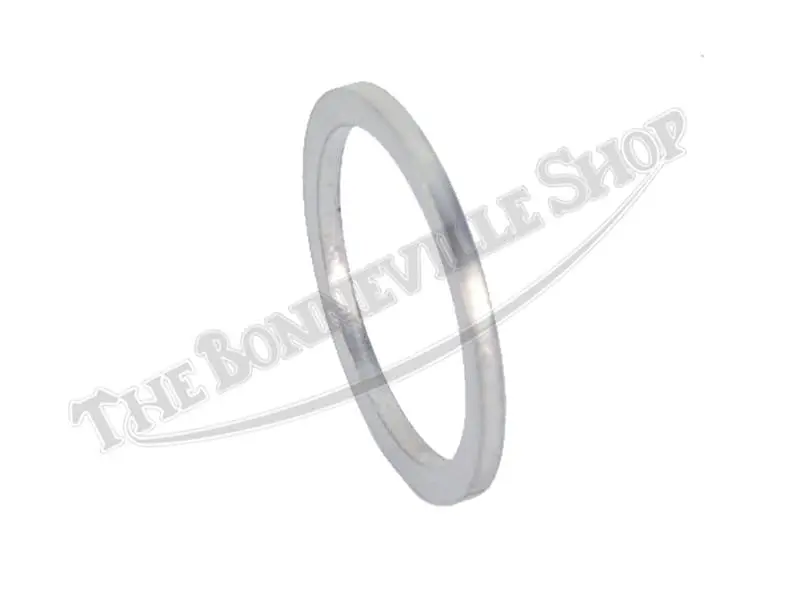
Triumph 350 500 650 Front Hub Bearing Backing Ring Spacer Washer(s) 1956-67 PN# 37-1238
$8.29 – $12.34Price range: $8.29 through $12.34
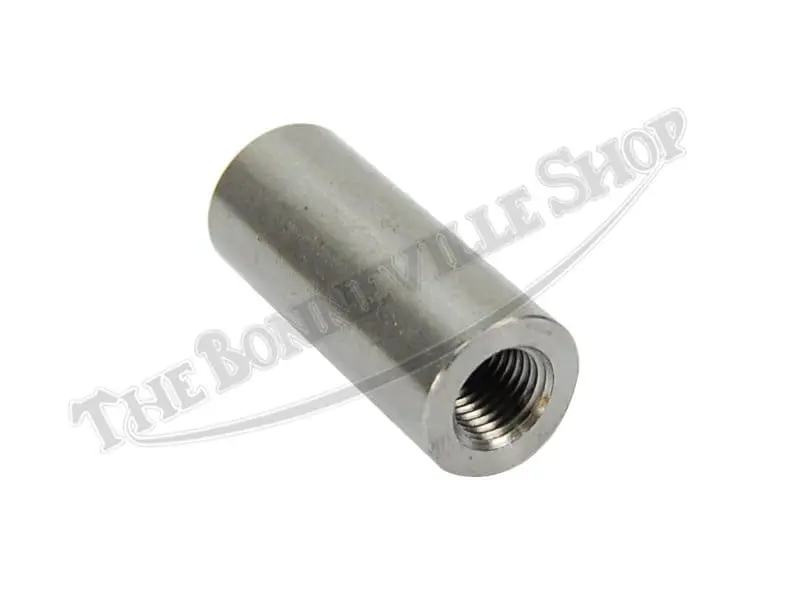


Triumph 500 650 750 Exhaust Silencer Bolt(s) 5/16 inch-24TPI X 1/2 inch UH Bolts UNF PN# 82-0929 21-1822 14-0113
$5.95 – $12.53Price range: $5.95 through $12.53


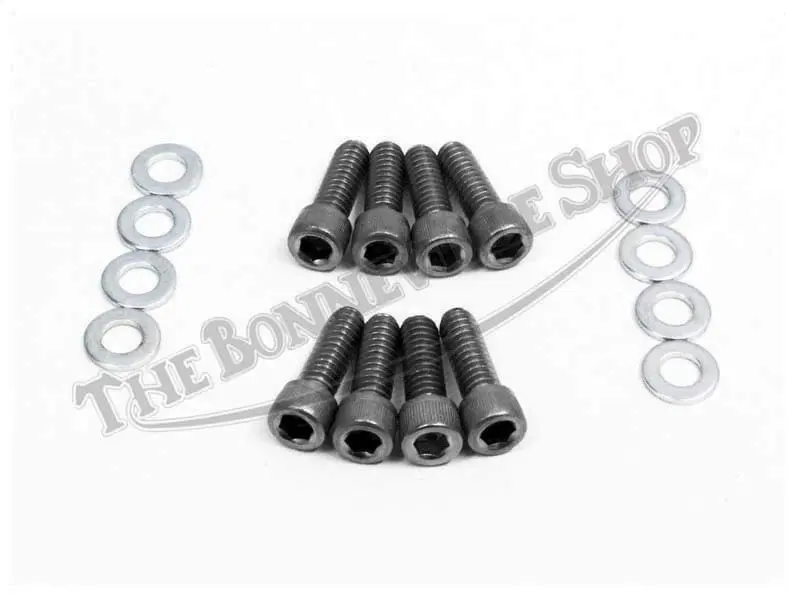


Triumph Bonneville Tiger T120 T140 TR6 TR7 Carb Mounting Cupped Washers and O-Rings PN# 70-9554 70-9555
$9.04 – $12.34Price range: $9.04 through $12.34

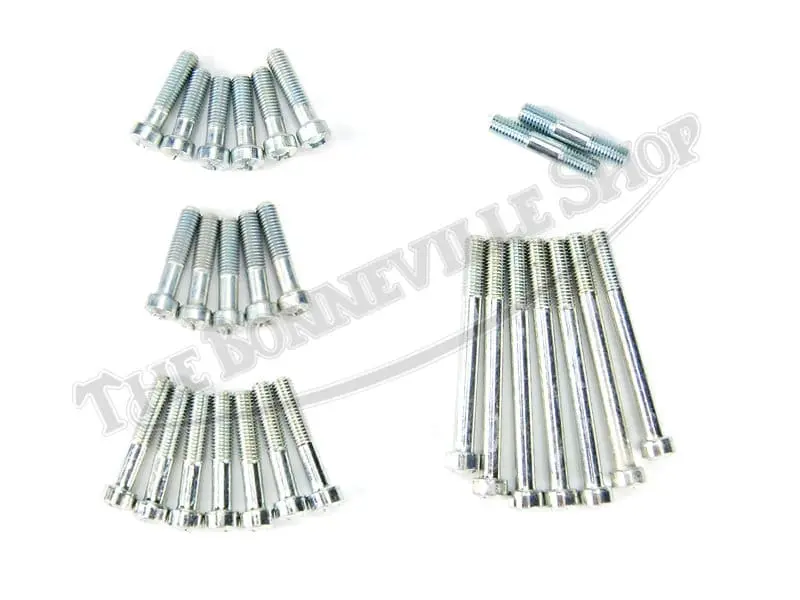
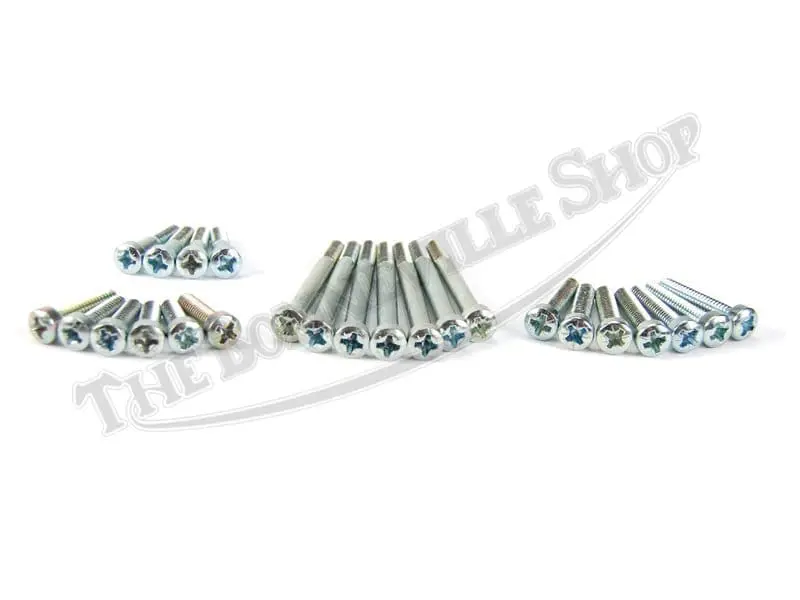
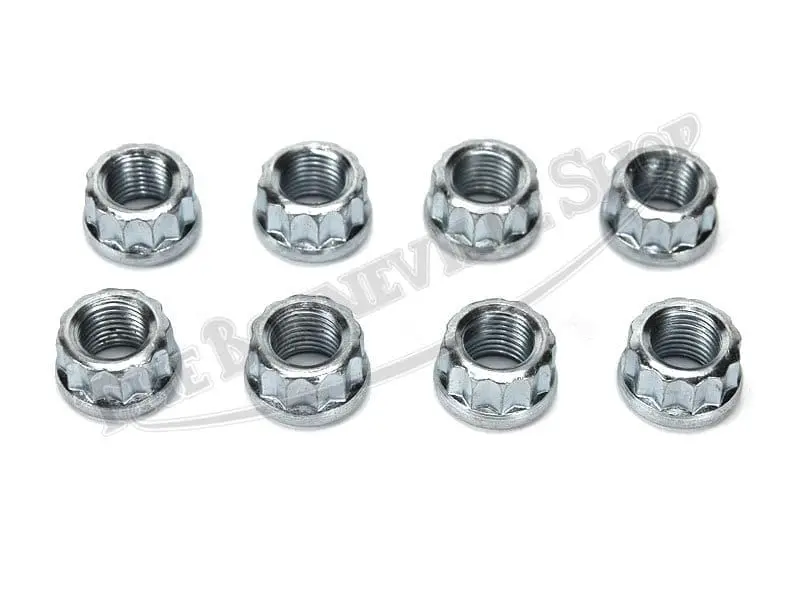


Triumph 350 500 650 Fork Leg, Cylinder Base and Ear Pinch Nut(s) 3/8 inch X 26TPI CEI PN# 70-2412 E2412
$7.33 – $13.66Price range: $7.33 through $13.66
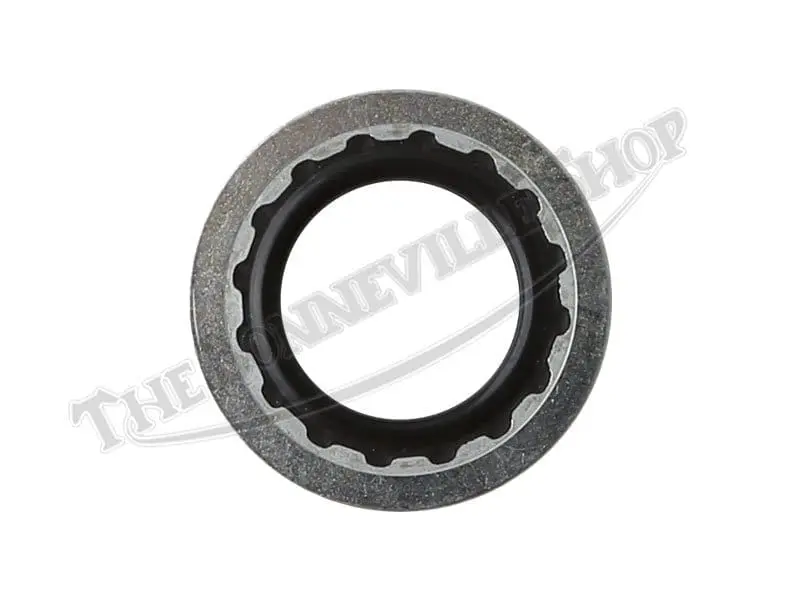
Triumph Norton BSA Stat-O-Seal Petcock Sealing Washer(s) PN# 70-7351 T
$6.99 – $10.17Price range: $6.99 through $10.17
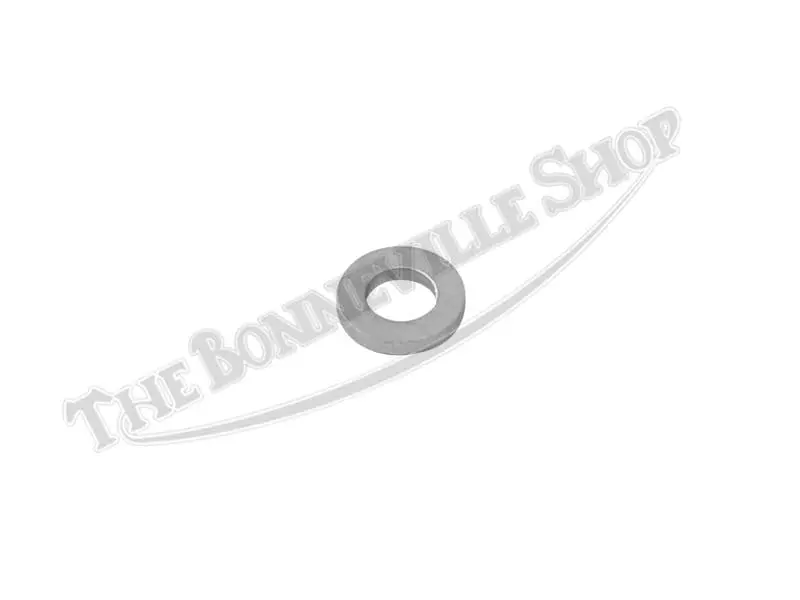
Triumph BSA Contact Breaker Pillar Bolt Plain Washer(s) PN# 70-6559
$5.94 – $6.49Price range: $5.94 through $6.49
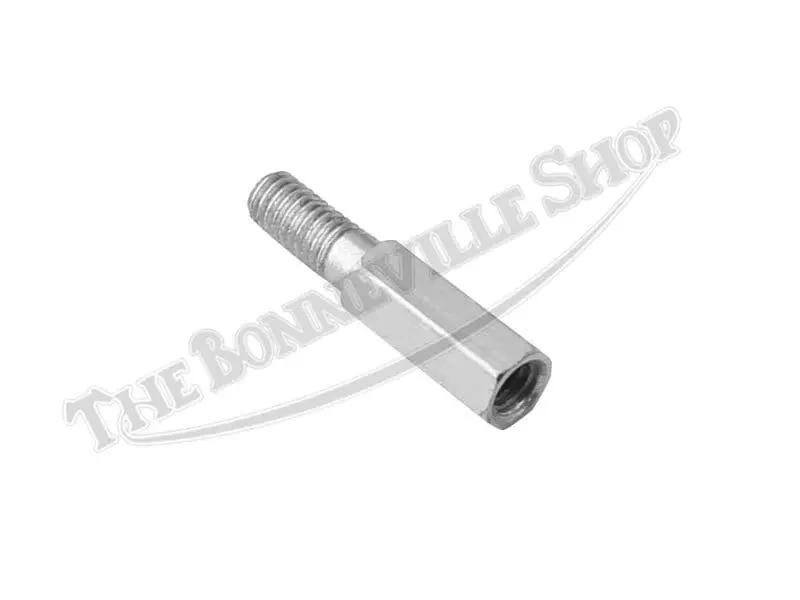
Triumph BSA Points Plate Pillar Bolt(s) PN# 70-7680
$10.21 – $13.84Price range: $10.21 through $13.84


Triumph T140 TR7 Sidepanel Nameplate Badge Captive Nut(s) 2BA PN# 60-4154
$6.08 – $9.61Price range: $6.08 through $9.61

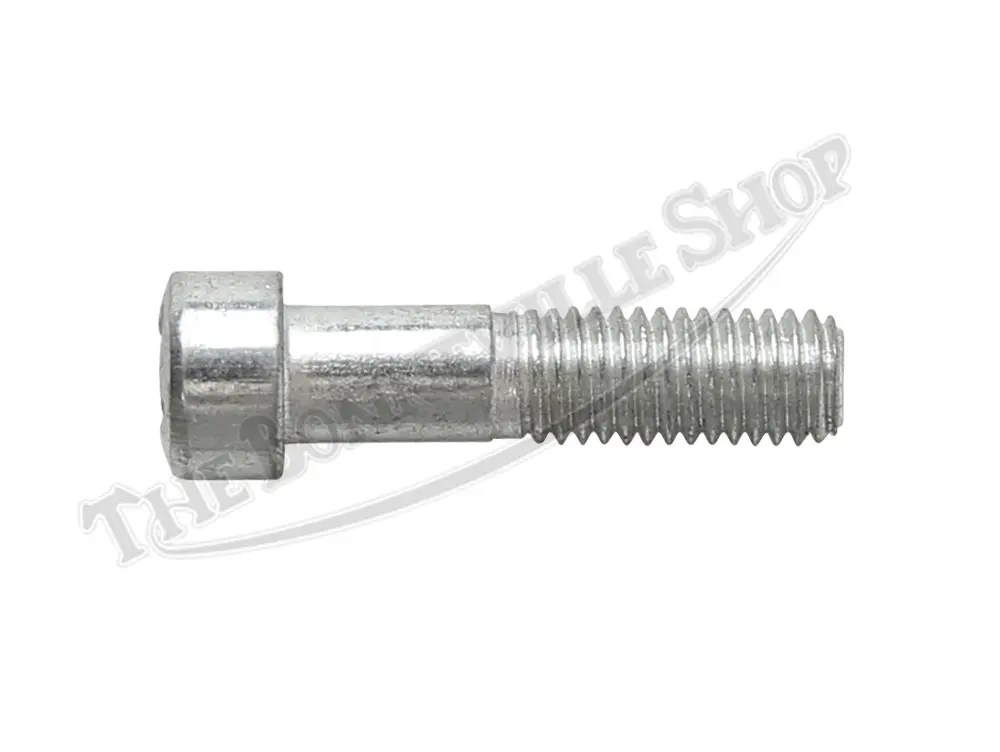
Triumph CEI Case Screw(s) PN# 70-3204
$6.93 – $9.37Price range: $6.93 through $9.37

Triumph Sprocket Shakeproof Washer(s) PN# 70-1612
$5.29 – $6.91Price range: $5.29 through $6.91


Triumph 500 650 Handlebar Mounting Nyloc Nut(s) 3/8 inch X 24 TPI PN# 14-1903
$5.84 – $8.76Price range: $5.84 through $8.76
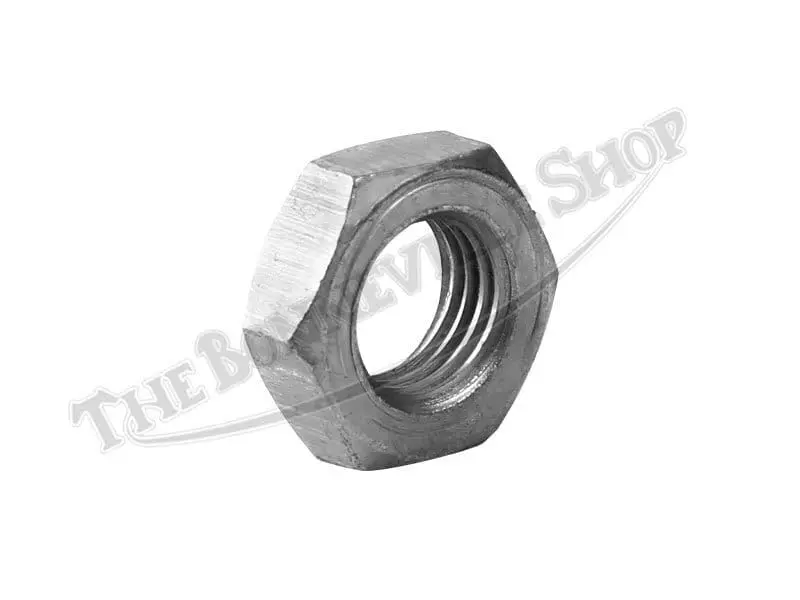
Triumph 650 750 Mainstand Nut(s) 7/16 inch X 20 TPI PN# 14-0404
$5.63 – $7.01Price range: $5.63 through $7.01
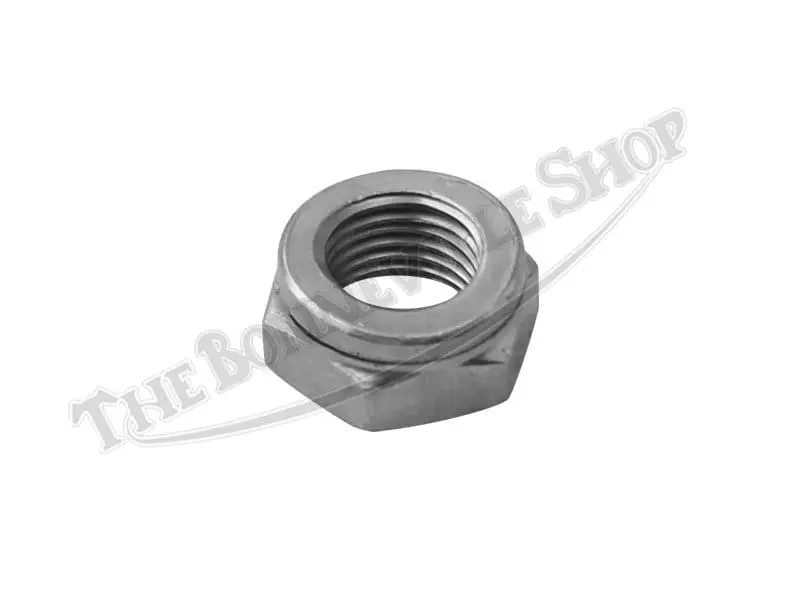
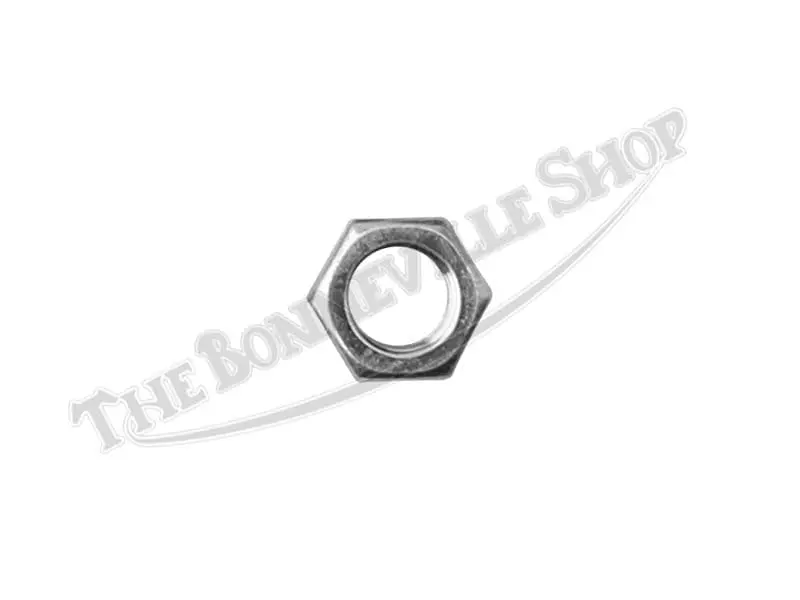
Thin Hexagonal Locking Nut Plain 3/8-inch X 24 TPI PN# 14-0403 60-4180
$5.32 – $7.01Price range: $5.32 through $7.01

Triumph BSA Norton 500 650 Fork Axle 5/16 inch Lock Washer(s) PN# 60-4260 S26-3
$5.37 – $9.04Price range: $5.37 through $9.04


Triumph 650 750 Frame and Alternator Stud(s) 7-16 X 20 TPI X 1 3-8 Inch PN# 21-0548
$11.61 – $16.99Price range: $11.61 through $16.99


Triumph 500 650 750 T120 T150 Timing Side Inner Rear Axle Nut(s) PN# 21-2013
$7.89 – $11.54Price range: $7.89 through $11.54

Triumph 500 650 Twin Leading Shoe TLS T.L.S. Axle Nut(s) 3/4 inch X 20TPI PN# 21-1995
$9.33 – $13.58Price range: $9.33 through $13.58


Triumph Bonneville Tiger 500 650 Pre-Unit and Unit Rear Axle Nut(s) PN# 37-3425
$8.34 – $12.43Price range: $8.34 through $12.43

Triumph Norton BSA Replacement Headlight Fixing Clip(s) and Screw(s) PN# 534296 T
$7.88 – $9.99Price range: $7.88 through $9.99

Triumph Side Stand Bolt PN# 82-7021 F7021
$17.77 – $30.65Price range: $17.77 through $30.65

Triumph TR6 T120 T150 T160 Mainstand Tab Washer(s) PN# 83-1270 F11270
$6.13 – $7.90Price range: $6.13 through $7.90


Triumph 650 750 Chrome CEI Rocker Spindle Nut(s) 3/8 inch X 26 TPI PN# 70-1435
$14.16 – $37.52Price range: $14.16 through $37.52


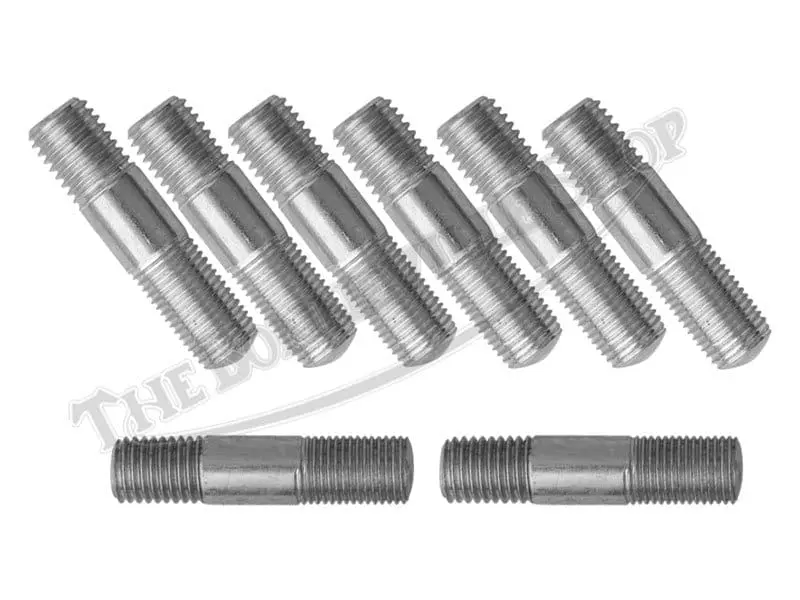
Triumph TR6 T120 TR7 140 Bonneville Tiger Trophy CEI Crank End Stud(s) PN# 70-3114
$10.88 – $15.75Price range: $10.88 through $15.75

Triumph BSA Twins And Singles Alternator Tab Washer(s) PN# 70-3975 70-8224 29-2054
$8.01 – $11.77Price range: $8.01 through $11.77


Triumph 650 750 TR6 T120 TR7 T140 Crankcase Filter Copper Washer(s) PN# 70-5315 E5315
$6.08 – $9.61Price range: $6.08 through $9.61


Triumph Norton Correct ‘Dowty’ Petcock Sealing Washer Set(s) PN# 70-7351 83-0002
$10.55 – $19.24Price range: $10.55 through $19.24

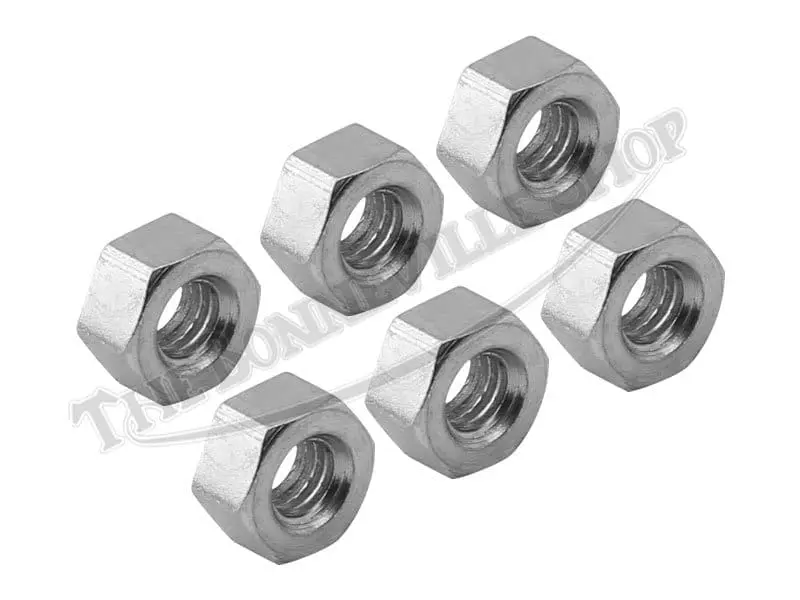
Triumph 500 650 Rocker Box / Front Fender / Etc 1/4 X 26 Nuts (6 or 12) PN# 82-0879 F879
$12.52 – $18.47Price range: $12.52 through $18.47

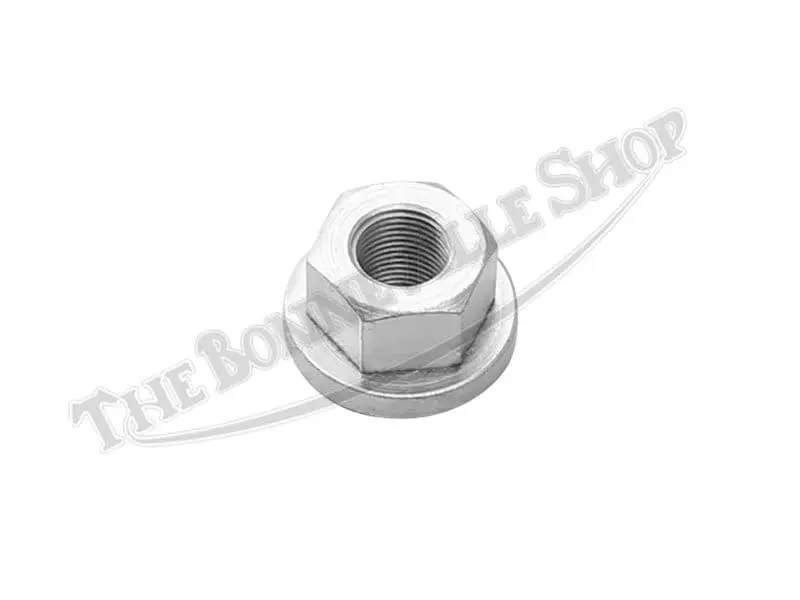
Triumph Unit and Pre-Unit Rear Engine Plate Shouldered Nut(s) PN# 82-3771
$13.96 – $38.61Price range: $13.96 through $38.61

Triumph Bonneville Tiger Daytona Engine Plate Bolt(s) C.E.I. PN# 82-5316
$7.99 – $11.73Price range: $7.99 through $11.73
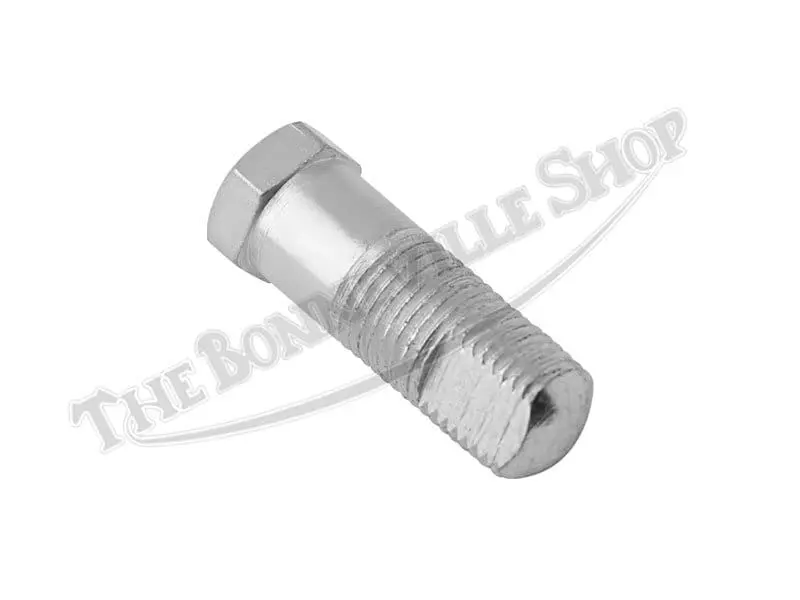
Triumph 500 650 Mainstand Centerstand Pivot Bolt(s) 1/2 inch X 20 TPI CEI PN# 82-5678 F5678
$10.11 – $14.98Price range: $10.11 through $14.98
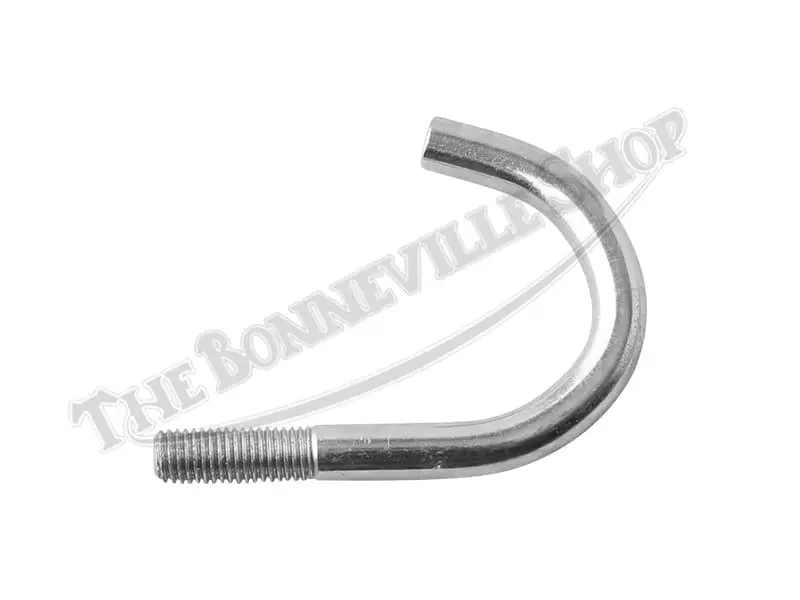
Triumph Trophy Tiger T100C TR6C Bash Plate Skid Plate U-Bolt(s) PN# 82-5788
$12.47 – $19.79Price range: $12.47 through $19.79

Triumph Unit 650 Bonneville Tiger Rear Engine Plate Shouldered Nut(s) PN# 82-7389
$12.85 – $20.51Price range: $12.85 through $20.51


Triumph 350 500 650 Tiger Bonneville Lower Fork Bush Nut(s) 1964-67 PN# 97-1058 H1058
$26.10 – $45.98Price range: $26.10 through $45.98

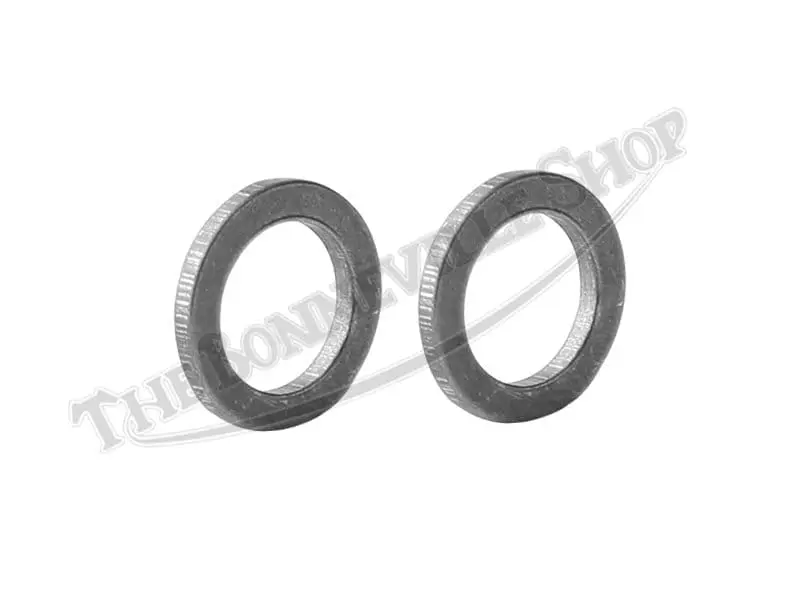

Triumph 500 650 Primary and Gearbox Chrome Dome Nut Pair(s) CEI to 1968 PN# 97-1531
$18.67 – $30.96Price range: $18.67 through $30.96

Triumph 500 650 T150 BSA A50 A65 A75 Fork Spring Abutment Washer(s) PN# 97-1656
$8.44 – $11.11Price range: $8.44 through $11.11
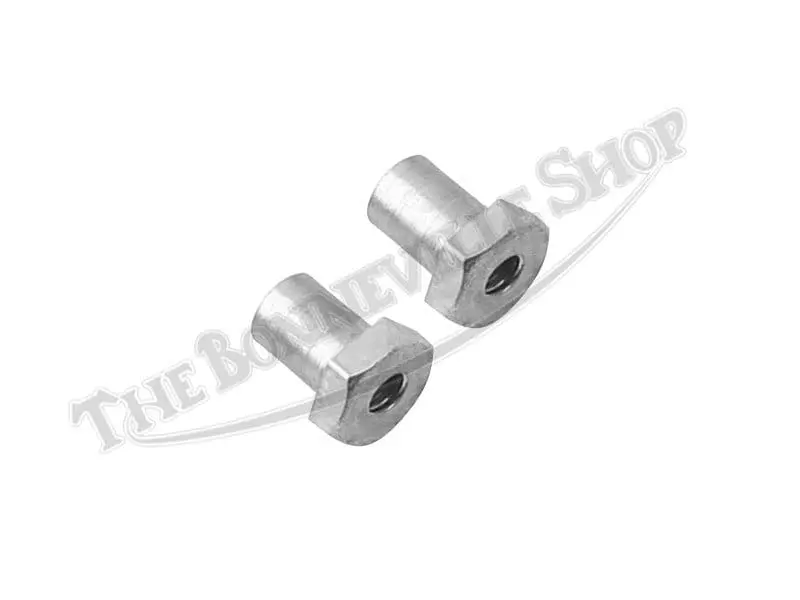

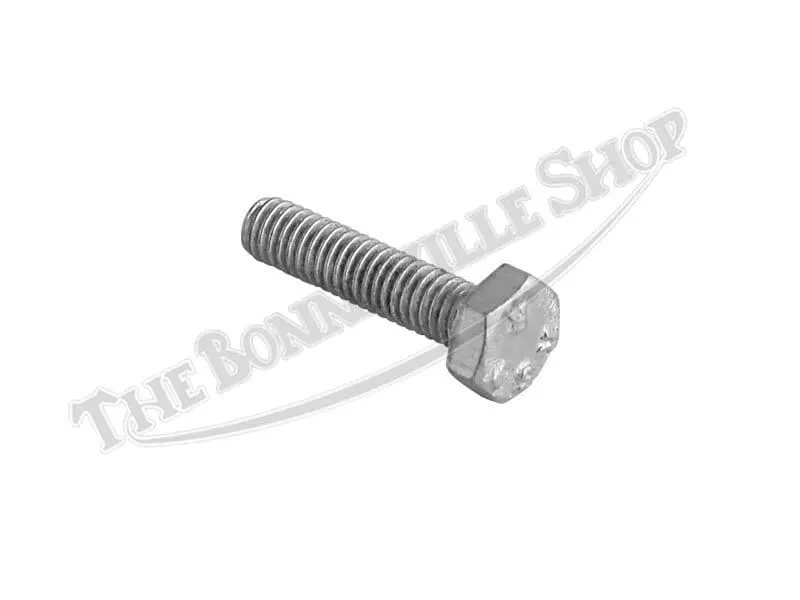
Triumph 500 750 T140 TR7 T150 T100 Headlight Ear Mounting Bolt(s) 2BA X 9/16 inch PN# 21-2095
$6.75 – $12.34Price range: $6.75 through $12.34

Triumph BSA Fork Leg Stud(s) 5/16 inch X 24 TPI / 18 TPI X 2 inch Long 1971 Onward PN# 21-2102 S2102
$8.72 – $30.41Price range: $8.72 through $30.41


Triumph Primary Cover Screw(s) PN# 82-4129 L
$7.33 – $13.66Price range: $7.33 through $13.66


Triumph T140 TR7 Alternator Rotor Nut(s) 1973-82 PN# 21-2182
$9.99 – $14.77Price range: $9.99 through $14.77


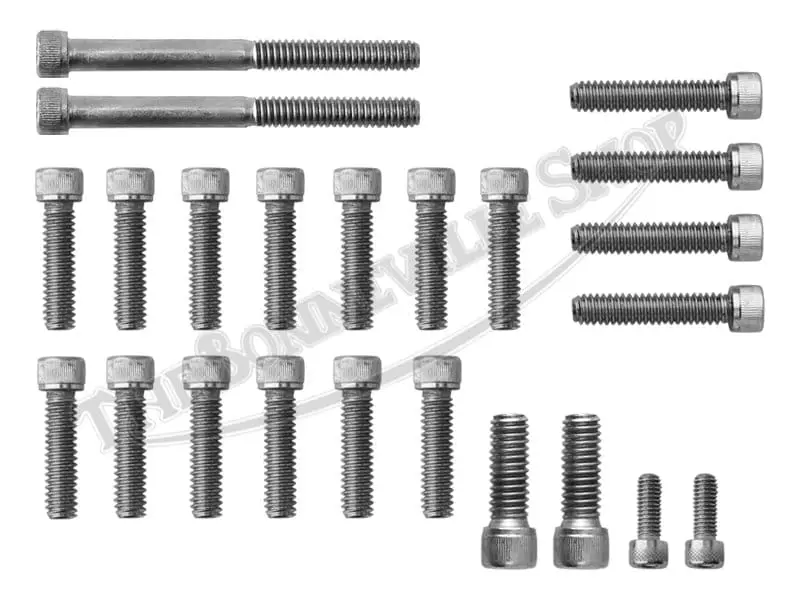
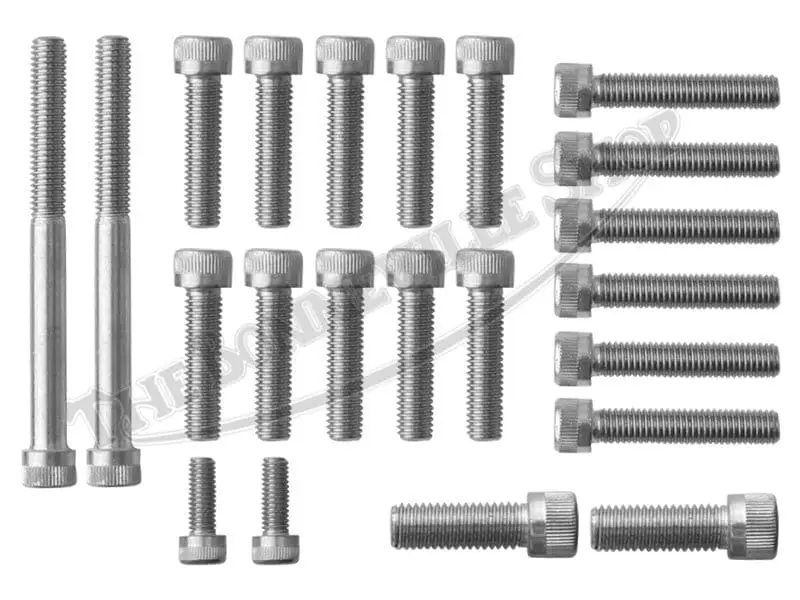

Genuine Amal Concentric Jet Holder(s) Fits All Concentrics PN# 622/128 99-1034
$22.53 – $38.49Price range: $22.53 through $38.49


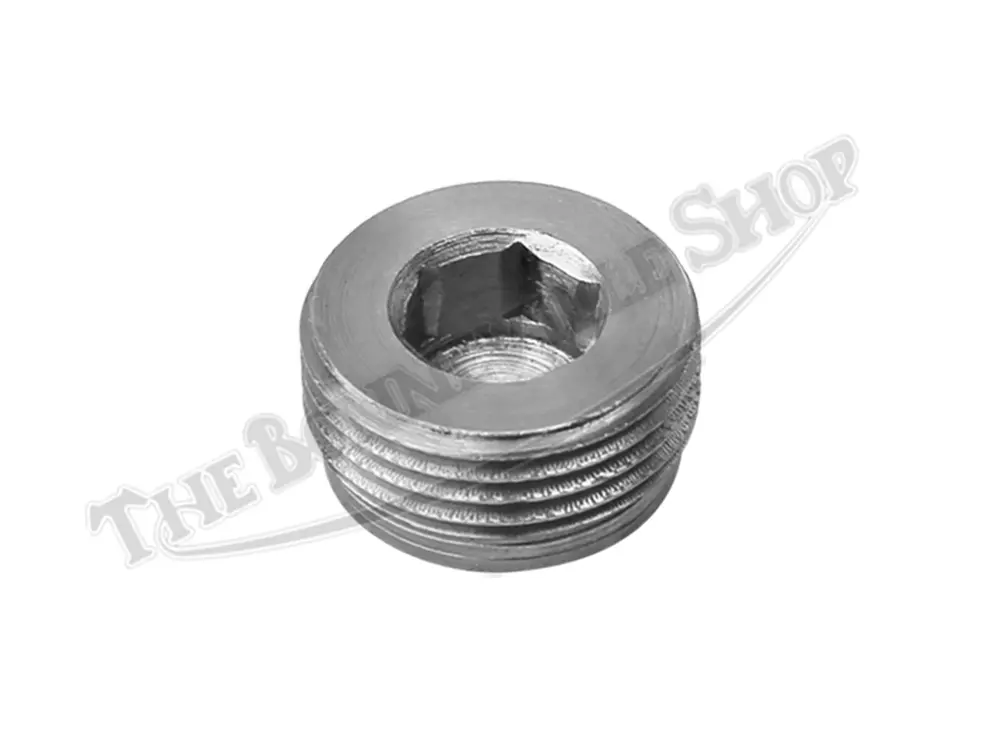
Triumph 350 500 Twin Replacement Hex Sludge Trap PN# 70-9492 H 70-3711 H
$17.74 – $54.28Price range: $17.74 through $54.28


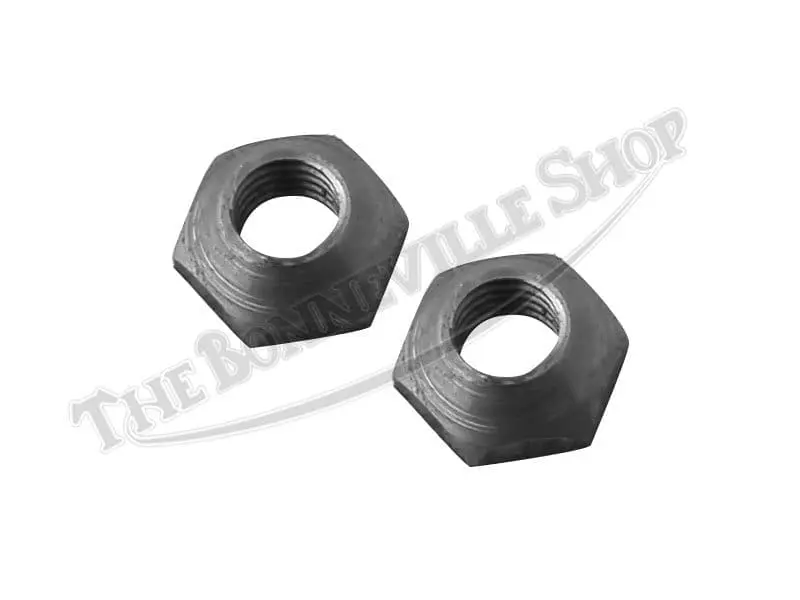

Triumph 500 650 750 T-Type Slim Nut(s) for Inlet Manifolds PN# 14-1301
$6.60 – $16.75Price range: $6.60 through $16.75

Triumph 500 650 750 Rear Axle Nut(s) up to 1969 3/4 inch X 20 TPI Zinc-Plated/SS PN# 82-1747 F1747
$15.57 – $57.67Price range: $15.57 through $57.67

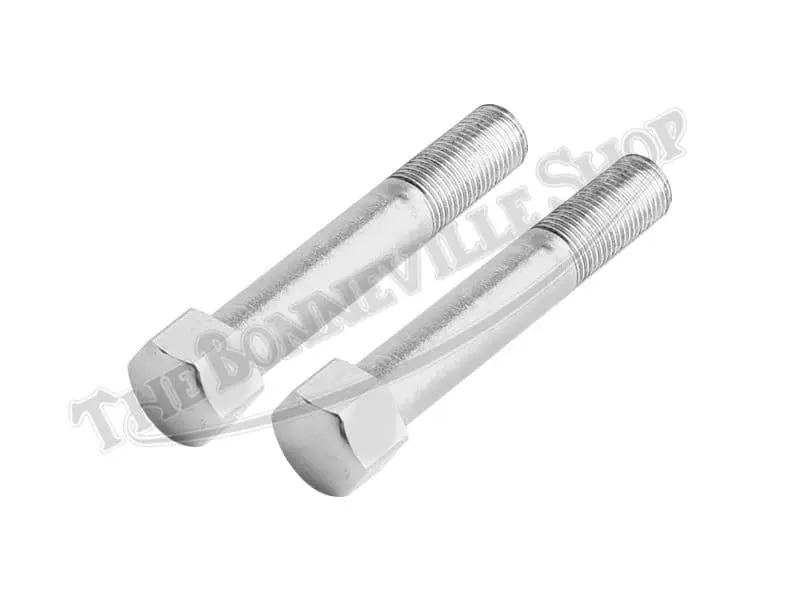
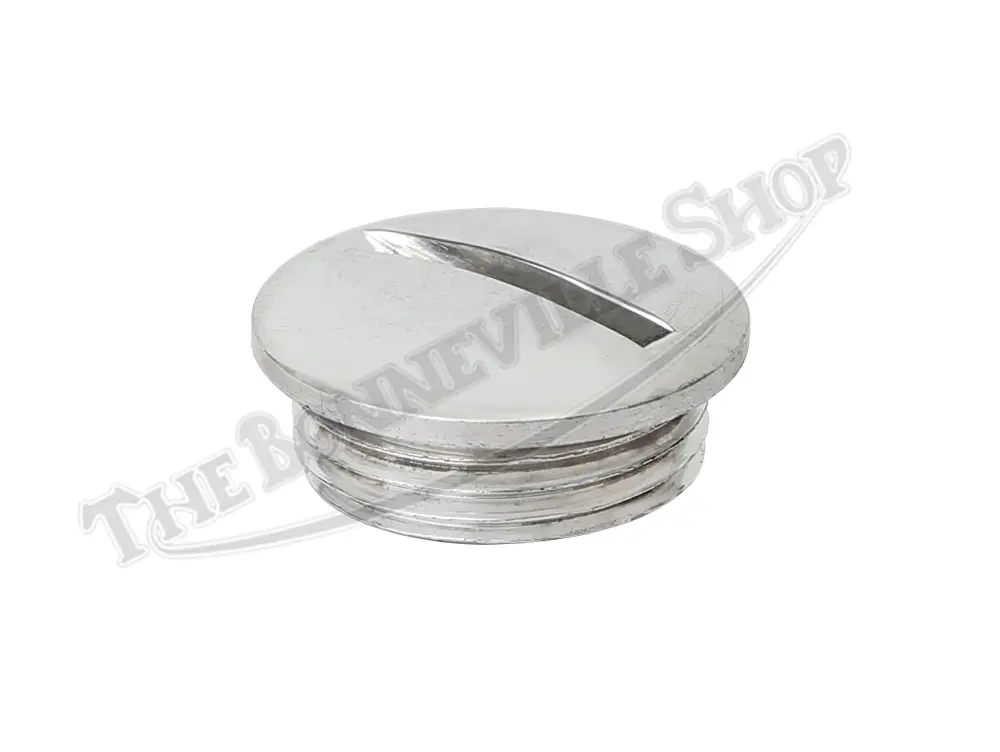
Triumph 500 650 750 T120 etc. Gearbox and Primary Inspection Plug PN# 57-2166 70-0732 70-8231 40-0715
$14.34 – $31.45Price range: $14.34 through $31.45

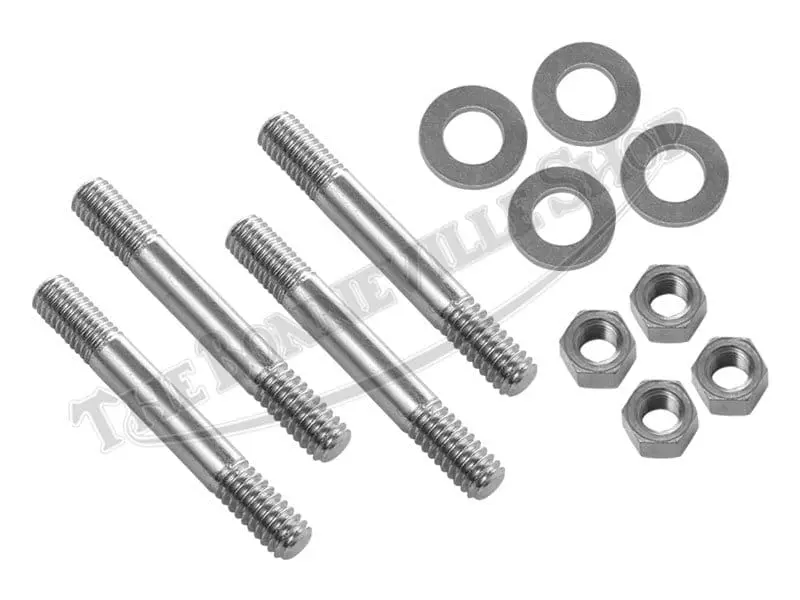
Triumph 500 650 750 Shouldered Inlet Manifold Studs PN# 21-1996
$12.43 – $17.11Price range: $12.43 through $17.11
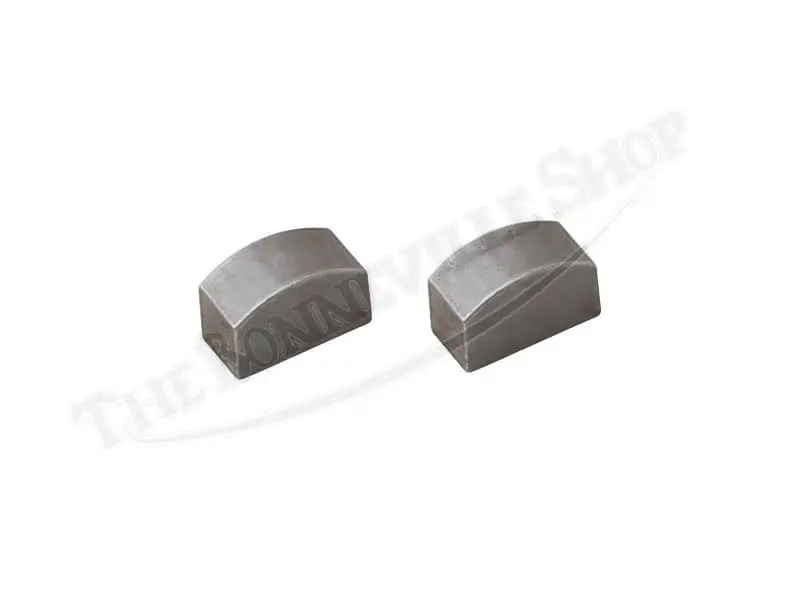


Triumph 500 650 Gearbox Stud(s) 5-16 X 22 X 26 TPI PN# 70-4535
$13.86 – $20.99Price range: $13.86 through $20.99
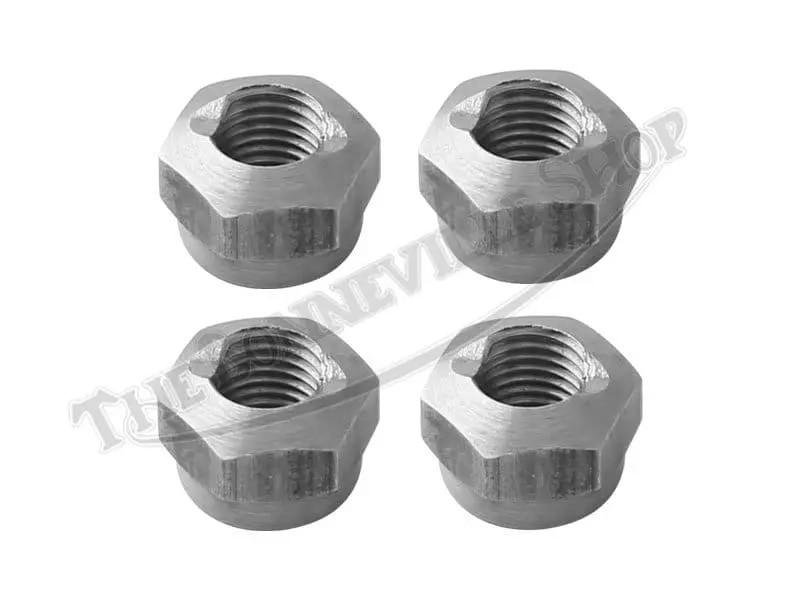
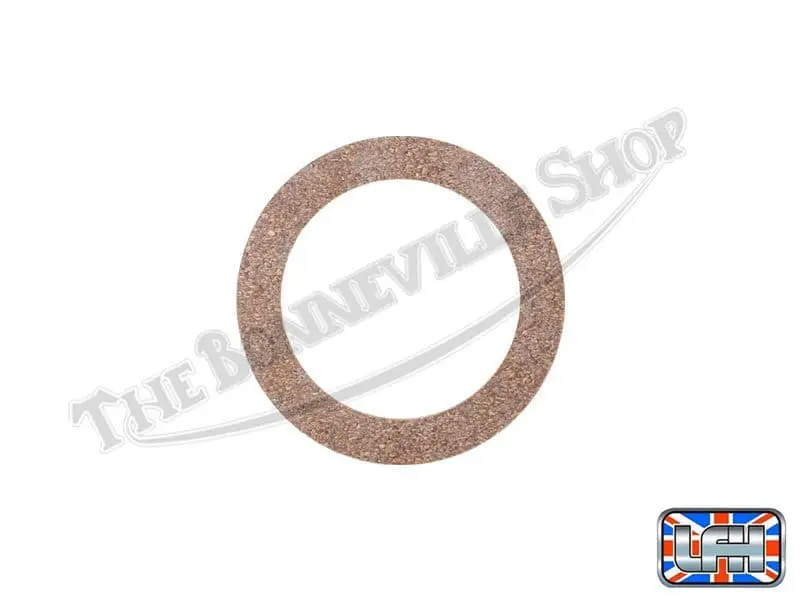
Triumph 500 650 Oil Cap Gasket / Cork Washer(s) Also Fork Abutment PN# 82-4047
$7.03 – $8.15Price range: $7.03 through $8.15
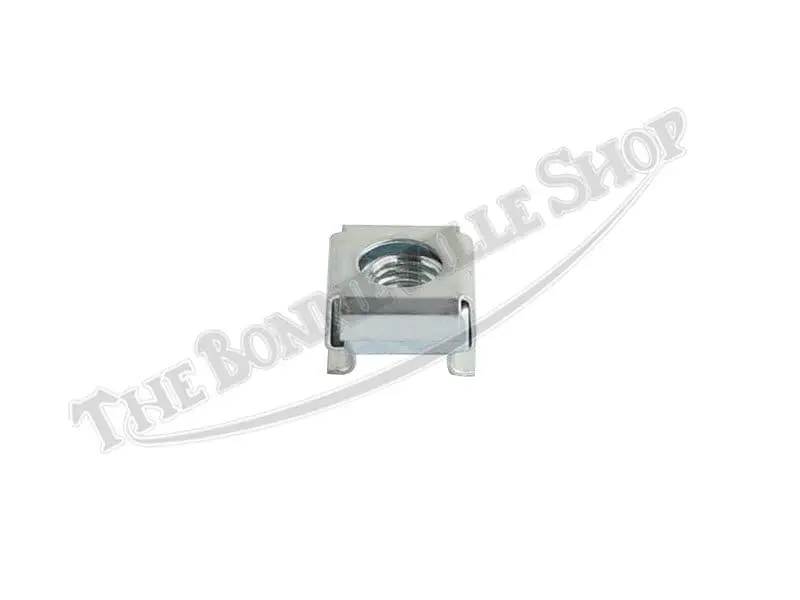
Triumph 500 650 Tiger Trophy Bonneville Sidepanel Captive Nut(s) 1968-74 PN# 83-0222 21-0653 F10222 S653
$6.63 – $8.81Price range: $6.63 through $8.81

Triumph 650 750 Tiger Trophy Bonneville Crank Pinion Woodruff Key(s) PN# 70-1580
$9.07 – $13.11Price range: $9.07 through $13.11
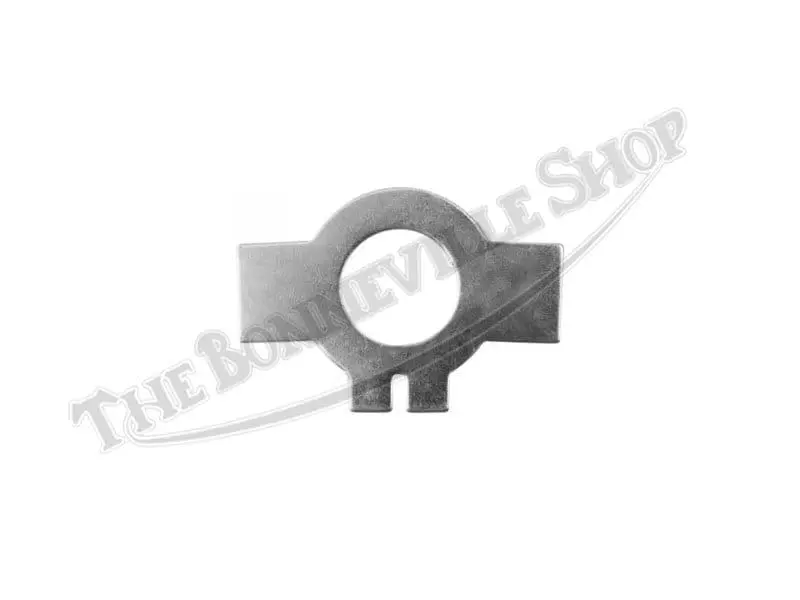
Triumph 650 Bonneville Tiger T120 TR6 Swingarm Spindle Lock Tab(s) PN# 82-5944
$5.79 – $7.25Price range: $5.79 through $7.25


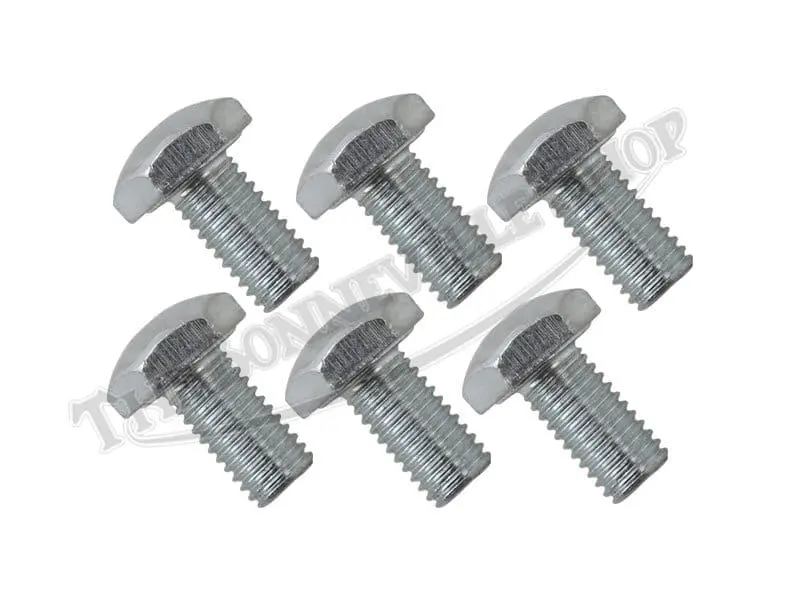
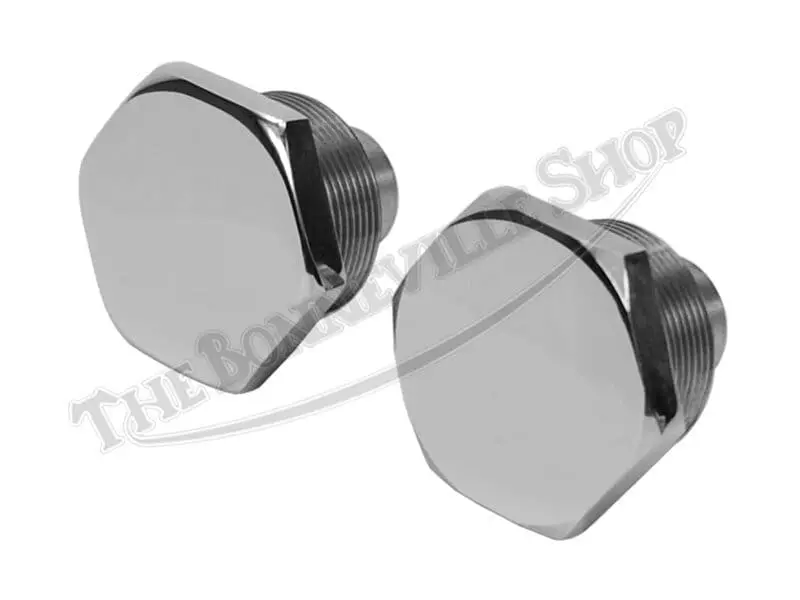


Triumph Bonneville Tiger Trophy 650 750 UNF Crankshaft Rotor Stud(s) PN# 21-2183
$9.00 – $12.98Price range: $9.00 through $12.98
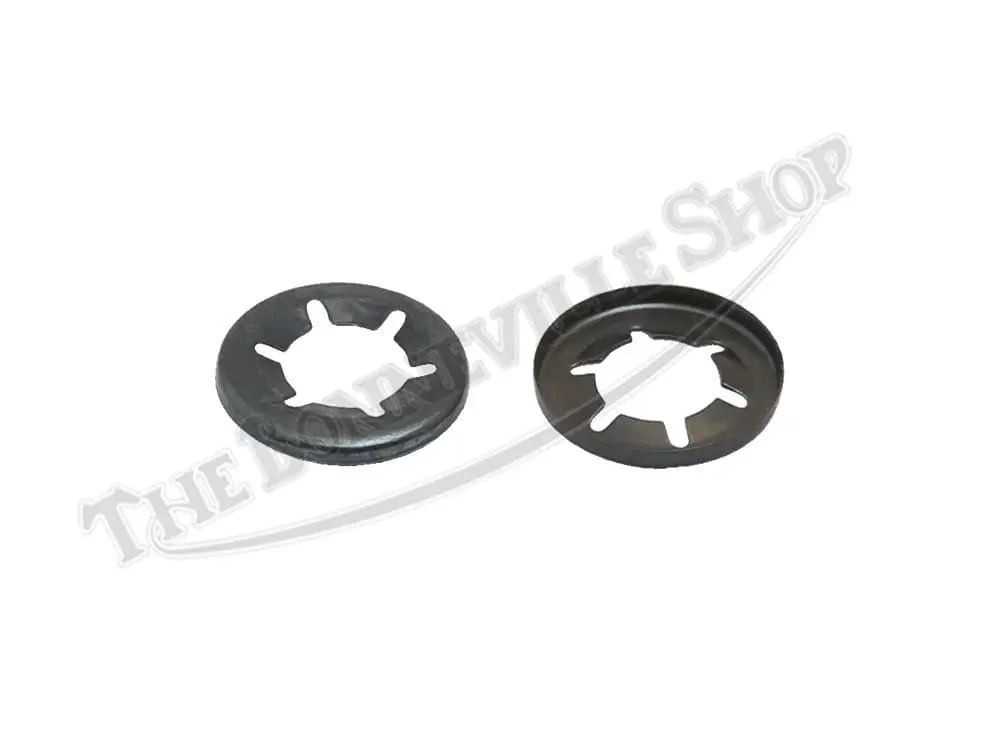


Triumph Norton BSA Amal Concentric Banjo Bolt(s) PN# 622/078 99-0517
$14.80 – $22.75Price range: $14.80 through $22.75

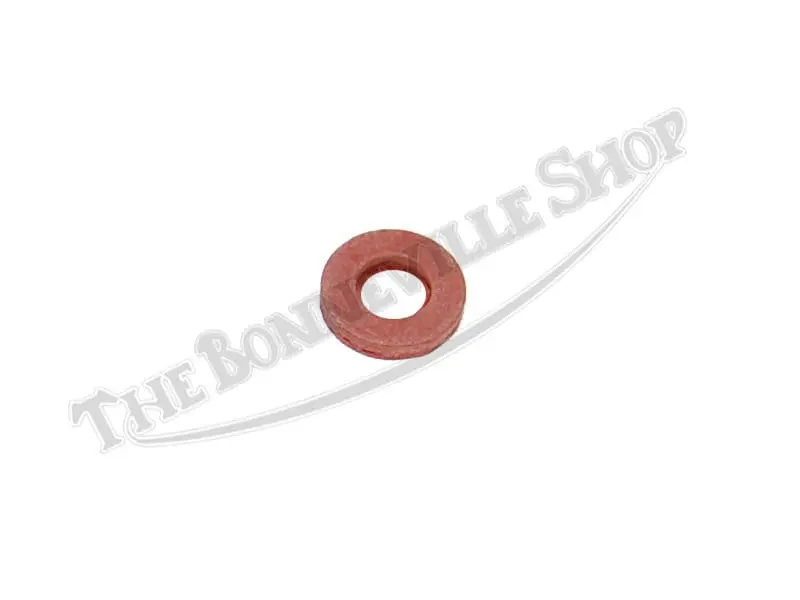
Triumph Pre-Unit and Unit Correct 1/4-inch Red Fiber Washer(s) PN# 60-4263 24-1088 WE170
$6.33 – $11.96Price range: $6.33 through $11.96

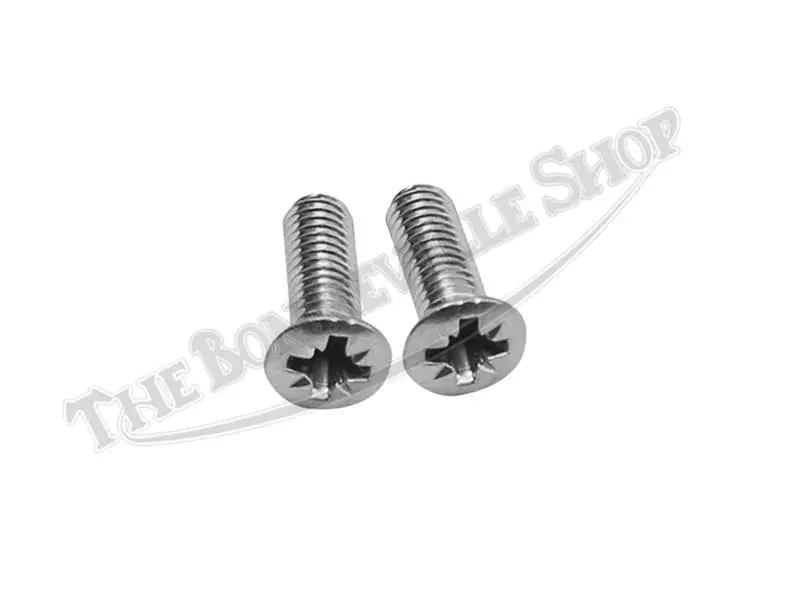
Triumph Gas Tank Badge Screw(s) 1963-67 2BA 7/16 inch .435 inch PN# 82-4129 F4129
$6.97 – $15.84Price range: $6.97 through $15.84
Table of Contents
Why Triumph Hardware Is Different
A vintage Triumph is not a “standard hardware store” motorcycle. Depending on the year and where a fastener sits, one machine may use four or more thread systems. Some of them look almost the same.
Four thread families on one motorcycle
- CEI / British Standard Cycle (BSC): Triumph’s main thread for steel nuts and bolts until the late 1960s. Most sizes from 1/4″ up use 26 threads per inch (TPI). The thread angle is 60° (Wikipedia: British Standard Cycle; JRC Engineering).
- BSF (British Standard Fine): Uses the 55° Whitworth thread form. It was often used where a stud or screw goes into aluminum castings (Wikipedia: British Standard Fine; Britbike forum discussion).
- UNF and UNC (Unified): Triumph and BSA moved to Unified threads in the late 1960s. Experienced restorers note that the front end changed from cycle thread to UNF from 1969 (Britbike forum).
- BA (British Association): Small screws for badges, lights and instruments. One example is the 2BA headlight ear mounting bolt.
The 26 TPI trap
A 1/4″ CEI bolt and a 1/4″ BSF bolt are both 26 TPI, so in that one size they will thread together. In larger sizes they won’t, because BSF uses a coarser pitch as the diameter grows while CEI stays at 26 TPI (Wikipedia). Also, 5/16″ and 3/8″ UNF are 24 TPI, which can feel “close enough” to 26 TPI for the first few turns. It isn’t. Forcing the wrong thread will damage threads in an alloy case.
The changeover years need care
From about 1968 to 1971, a single motorcycle may have both CEI and UNF fasteners. That’s why many of our listings say CEI or UNF in the title and give a year range. Compare, for example, the CEI primary/gearbox dome nuts to 1968 with the UNF dome nuts for 1969 on. Another example: the CEI lower triple clamp pinch bolt set and the UNF version.
Your tools are part of the hardware decision
Whitworth spanner sizes refer to the bolt’s diameter, not the width across the flats. A Whitworth spanner also fits the BSF bolt one size up (MLC spanner guide; WhatSizeBolt). If you use a metric or A/F socket that is “almost” the right size, you will round off original heads. Use a proper Whitworth spanner set and the right Triumph service tools.
Length, head style and grade all matter
Fastener length is usually measured under the head (UH). Engine and head bolts are made to a specific strength and length for their location. For example, T140/TR7 head bolt and stud kits and forged connecting rod bolt sets should never be replaced with generic hardware store bolts.
How to Choose the Right Triumph Hardware
- Identify the machine. Note the model, year and engine/frame numbers. Then confirm whether it is pre-unit (to 1962 for 650s), unit construction, or oil-in-frame (1971 on for 650s).
- Check the parts book. Look up the original part number, such as 70-, 82-, 97- or 21-. A Triumph parts book or workshop manual is the best reference.
- Measure the old fastener. Measure the diameter, the length under the head, and the TPI with a thread pitch gauge. CEI and BSF threads won’t match a standard UNF gauge.
- Match the location. A fastener that goes into aluminum often uses a different thread from a through-bolt with a nut.
- Choose the finish. Pick original-style plated hardware for a factory-correct look, or stainless Allen screw sets for durability.
- Consider a kit. Year-specific kits remove most of the guesswork. Examples include the 1969–70 650 engine-to-frame bolt set, the 1967–68 TR6R/T120R crankcase bolt and stud kit and the 1965–68 frame bolt kit.
Shop Triumph Hardware by Type
Cylinder head and barrel hardware
- Unit 650 1963–70 head bolt kit (long stud type)
- 650 nine-stud Whitworth center head bolt
- 350/500 T100 cylinder head bolt set 1961–74
- T140/TR7 cylinder base nut kit
- T120 12-point cylinder base nut set to 1968
- 750 cylinder base stud set 1973–82
- 650/750 outer rocker box bolt set 1969–82
Crankcase, engine cover and engine-mounting hardware
- T120/T140 complete engine bolt set 1971–82
- T120 complete engine case bolt set 1963–66
- Unit T120/TR6 BSF engine cover screw set 1963–68
- T140/TR7 engine cover screw set 1973–82
- 350/500 unit twin CEI fine-thread screw set 1957–68
- T140 stainless UNC complete set 1968–83
- 650/750 OIF engine-to-frame bolt set 1971–82
Internal engine hardware
- 650/750 forged connecting rod nut and bolt set
- T140/TR7 alternator rotor nut 1973–82
- Crank pinion Woodruff key
- Oil pump stud and nut set (UNF, 1969–79)
- Points plate pillar bolts with washers
Chassis, stand and wheel hardware
- 1970 T120/TR6 frame bolt kit
- Centerstand hardware kit
- Side stand pivot bolts and lock nuts, 1967 on
- Stainless rear axle nut
- Fork axle cap bolt kit 1959–68 (CEI)
- Classic side panel fixing kit
Washers, seals and fuel and oil fittings
- 500/650/750 copper washer kit
- 500/650/750 fiber washer kit
- Dowty petcock sealing washer set
- Disc brake master cylinder banjo bolt copper washers
- T120 manifold carb mounting hardware kit
- Carb mounting cupped washers and O-rings
Installation and Usage Tips
- Start every thread by hand. If it won’t turn freely for two or three turns, stop and confirm the thread.
- Don’t force a mismatch into aluminum. Fixing stripped case threads costs far more than the correct screw.
- Use the original type of locking hardware. Fit Nyloc, Philidas, Cleveloc, tab or shakeproof washers wherever the factory did. Throw away tab washers once used, and replace self-locking nuts after use. See the Philidas alternator nut set and the rotor cupped locking washer.
- Tighten head bolts in sequence and to the manual’s torque. Re-check them as the workshop manual instructs. Connecting rod bolts should be treated as single-use unless the manual says otherwise.
- Replace copper and fiber sealing washers. Anneal or replace copper washers on drain plugs, banjos and the crankcase filter, and replace fiber washers, rather than reusing hardened ones.
- Don’t overtighten carb mounting nuts. Overtightening distorts Amal flanges and can make the slide stick. See our Triumph carburetor guide.
- Use anti-seize compound on stainless. It helps when stainless fasteners go into aluminum or other stainless parts. Remember that stainless often looks less factory-correct.
- Keep a labeled tray for each assembly. Many cover screws are different lengths, and putting a long screw in a short hole can crack a casting.
- Check suspected older replacements. Previous owners often swapped in UNF or metric hardware.
Related Triumph Categories
Triumph engine parts · Triumph gaskets · Triumph frame · Triumph suspension & forks · Triumph clutch & primary · Triumph oil & air · Triumph exhaust · Triumph fenders · Triumph brakes · Triumph rubber · All vintage Triumph parts · BSA hardware
Further Reading (external)
- British Standard Cycle thread – Wikipedia
- British Standard Fine – Wikipedia
- CEI cycle thread explained – JRC Engineering
- BSC thread data – BA Bolts
- British thread standards – WhatSizeBolt
- Whitworth/BSF spanner chart – MLC
- Britbike forum: British threads tutorial
Triumph Hardware FAQs
What thread does a vintage Triumph use?
It depends on the year and where the fastener goes. Most steel nuts and bolts up to about 1968 are CEI (cycle thread, usually 26 TPI). BSF was often used into aluminum, and BA for small screws. From about 1969, Triumph moved progressively to UNF and UNC.
Are CEI and BSC the same thing?
Yes, for practical purposes. British Standard Cycle (BSC) grew out of the earlier Cycle Engineers Institute (CEI) standard. Both use a 60° thread form.
Will a UNF bolt fit a CEI thread?
No. For example, 5/16″ and 3/8″ UNF are 24 TPI and CEI is 26 TPI. The bolt may start but will bind and damage the threads.
Why does a 1/4″ BSF bolt fit a 1/4″ CEI nut?
Both are 26 TPI at 1/4″. This is the only common size where they match, so it’s a frequent source of mix-ups.
What year did Triumph switch to UNF?
The changeover was gradual in the late 1960s. Restorers generally cite 1969 for the front end, with other areas following through the early 1970s. Always check your parts book and the listing’s year range.
What wrenches do I need?
For pre-1970s hardware, use Whitworth/BSF spanners. Later UNF and UNC fasteners take A/F (SAE) tools, and some electrical parts use BA. Many machines need more than one set.
Should I use stainless or original-style hardware?
Stainless resists corrosion and is a good choice for covers and exposed hardware. For concours restorations, or wherever the factory specified a certain grade (such as head bolts or rod bolts), use original-specification parts.
Can I reuse head bolts, rod bolts or locking nuts?
Connecting rod bolts and nuts, tab washers and self-locking nuts should be replaced. Inspect head bolts for stretched or damaged threads, and replace them if in doubt.
How do I identify an unknown bolt?
Measure the diameter, the length under the head, and the TPI with a British thread gauge. Note where the bolt came from, then compare it with the parts book.
What is the advantage of a hardware kit?
Our year-specific kits include the correct lengths and threads for a given assembly. That saves you identifying dozens of separate fasteners and lowers the chance of mixing CEI with UNF.
Does pre-unit hardware fit a unit Triumph?
Some items carry over, but many don’t. Only order parts whose listing names your engine type and years.
Should copper washers be replaced?
Yes, or anneal them. Copper hardens in use and stops sealing well, and fiber washers compress permanently.
Does the 1/4″ Triumph handlebar nut use a special thread?
Some Triumph fasteners use non-standard pitches, such as 1/4″ x 24 TPI. Check the TPI in the listing, for example the handlebar Nyloc nut.